
MANILA, Philippines — Analysts are warning that the Philippines could be one of the primary economic casualties in Asia following the escalation of violence in the Middle East. As a net oil importer with a heavy reliance on the region, the country faces a renewed threat of high inflation and a weakened peso.
According to a report by Nomura Global Markets Research, the Philippines is highly vulnerable to energy price shocks. The Japanese investment bank estimated that:
- Direct Impact: Every 10% increase in global oil prices could add approximately 0.5 percentage points to Philippine inflation.
- Growth Dampener: Faster price gains could trim economic expansion by about 0.07 percentage points as household consumption—the backbone of the economy—takes a hit.
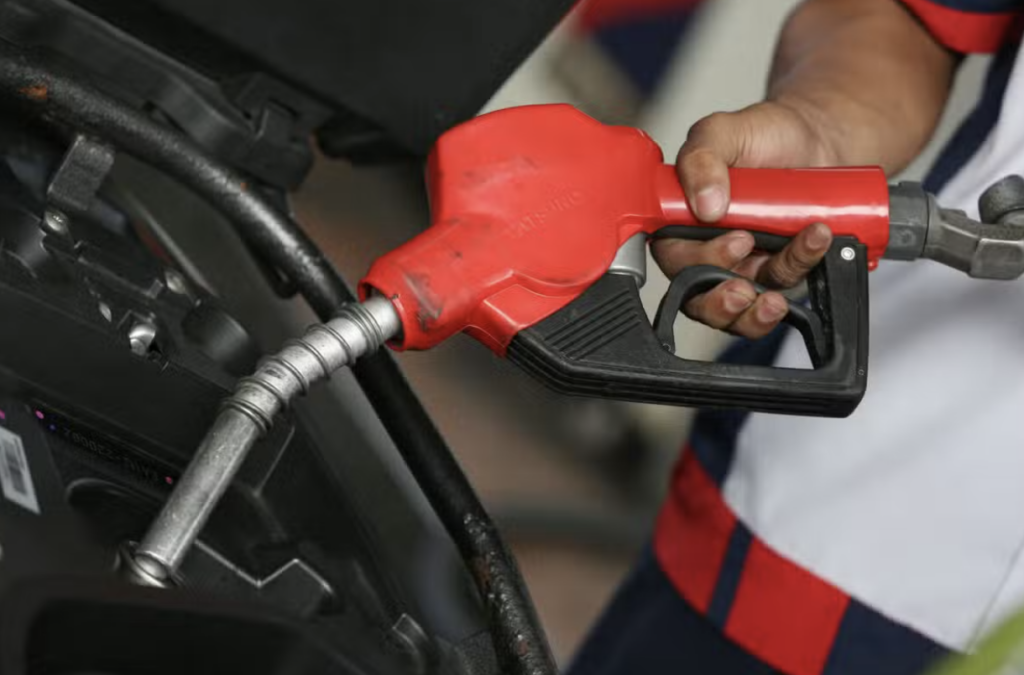
- Retail Prices: Analysts expect the “pass-through” to local gas stations to be “significant and quick.”
The warning follows a violent weekend (March 1-2, 2026) where the United States and Israel launched attacks on Iran, triggering retaliatory missile and drone strikes aimed at Israel and neighboring countries like Saudi Arabia, the UAE, and Qatar.
- Strait of Hormuz: Concerns are mounting over a potential blockade or disruption in this vital corridor, which carries roughly 20% of the world’s oil supply.
- 100% Dependency: The Philippine Chamber of Commerce and Industry (PCCI) highlighted that the Philippines sources nearly all of its crude oil imports from the Middle East, making it uniquely exposed to supply chain disruptions.
The energy shock is also expected to pressure the Philippine peso, which had gained 2% earlier this year.
- Import Bill: Rising oil prices will bloat the country’s import costs, potentially widening the trade deficit.
- BSP Rate Cuts: While the Bangko Sentral ng Pilipinas (BSP) has lowered interest rates to 4.25% to support a sluggish economy, analysts from MUFG and Nomura suggest the central bank may have to pause or delay further cuts to prevent “imported inflation” from spiraling.
In anticipation of the shock, Manila Mayor Isko Moreno Domagoso signed an executive order on March 2, 2026, mandating a 50% reduction in fuel consumption across all city government departments. The order includes staggered shifts and remote work arrangements to conserve energy.