
CHICAGO, United States — Global oil prices surged past the $100-per-barrel threshold on Monday, March 9, 2026, for the first time in more than three and a half years. The spike is a direct consequence of the escalating war in the Middle East, which has severely disrupted production and crippled shipping in one of the world’s most vital energy corridors.
- Brent Crude: The international standard jumped 9.2% to $101.19 per barrel shortly after trading resumed on the Chicago Mercantile Exchange.
- West Texas Intermediate (WTI): The U.S. benchmark soared even higher, rising 16.2% to settle at $107.06 per barrel.
- Context: This is the highest price for U.S. crude since June 2022 and for Brent since July 2022.
The price explosion follows a week of intense military activity:
- Strait of Hormuz Blockade: The threat of Iranian missile and drone attacks has effectively halted tanker traffic through the Strait of Hormuz. Roughly 20% of the world’s oil (15 million barrels per day) typically passes through this narrow waterway.
- Infrastructure Attacks: Over the weekend, military strikes targeted key facilities, including oil depots in Tehran, storage tankers, and a petroleum transfer terminal.
- Production Cuts: Iraq, Kuwait, and the UAE have reportedly cut oil production as their storage tanks reached capacity due to the inability to export crude through the embattled Gulf.
- Geopolitical Stance: Markets reacted sharply to U.S. President Donald Trump’s demand for the “unconditional surrender” of Iran, signaling to investors that a swift resolution to the conflict is unlikely.
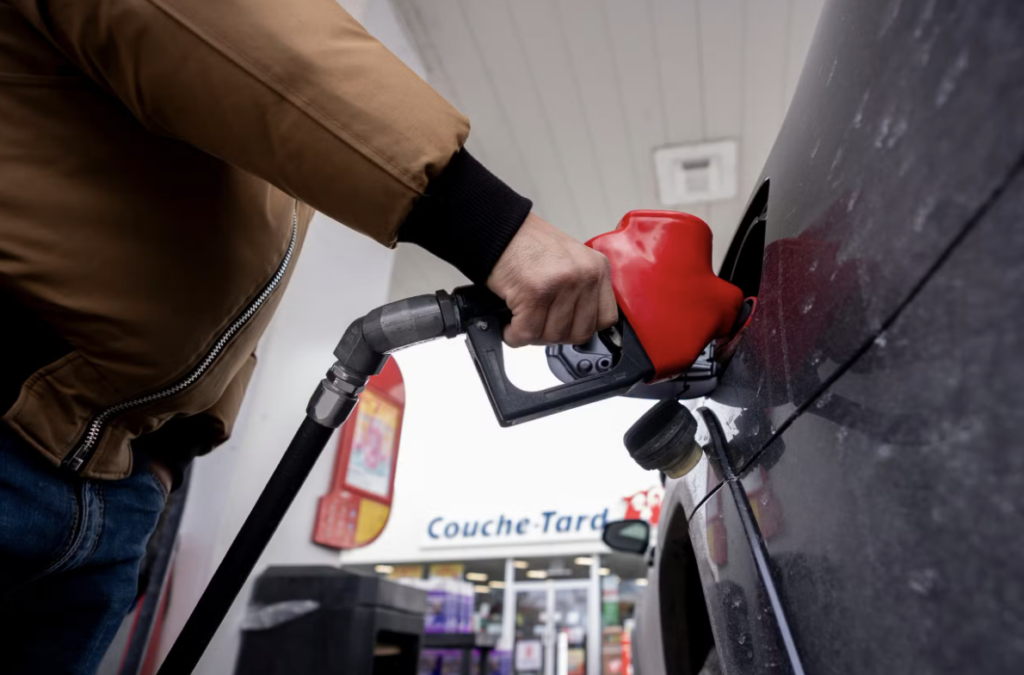
The fallout is already being felt at the pump. In the U.S., gas prices rose to an average of $3.45 per gallon on Sunday, a 47-cent increase in just one week. In the Philippines, economists have warned of a ₱20-per-liter hike for diesel if the trend continues.
Financial analysts fear that sustained prices above $100 could trigger a global recession by fueling inflation and forcing central banks to keep interest rates high. “This is a disaster for the global economy,” noted one research director, as energy costs threaten to grind global economic activity to a halt.