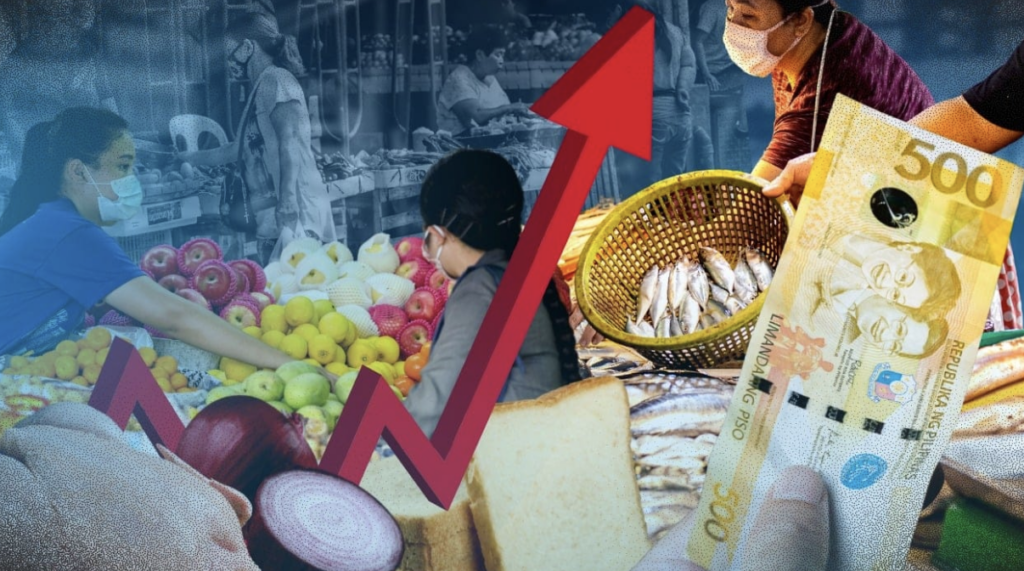
The Philippines could face significant economic pressure if the war involving Iran escalates, mainly because the country depends heavily on imported oil and global trade routes. Analysts say the conflict could trigger higher fuel prices, inflation, and slower economic growth.
Higher Oil Prices
The Middle East conflict may disrupt global oil supply, pushing prices higher. Since the Philippines imports most of its fuel, rising oil prices would quickly translate into higher transportation, electricity, and production costs.
Rising Inflation
When fuel prices rise, the cost of goods and services also increases. This could worsen inflation and reduce the purchasing power of Filipino households.
Slower Economic Growth
The energy shock caused by the war is expected to slow the country’s economic recovery, as businesses face higher operating costs and consumers spend less.
Possible Impact on Trade and Shipping
Tensions in the Middle East could disrupt major shipping routes, increasing freight costs and affecting global supply chains.
To reduce risks, the Philippine government has started exploring alternative fuel suppliers outside the Middle East to secure energy supply and stabilize prices.
Economists warn that the Philippines—because of its heavy dependence on imported oil and global trade—could feel a “heavy beating” if the conflict expands, mainly through fuel price spikes, inflation, and slower growth.