
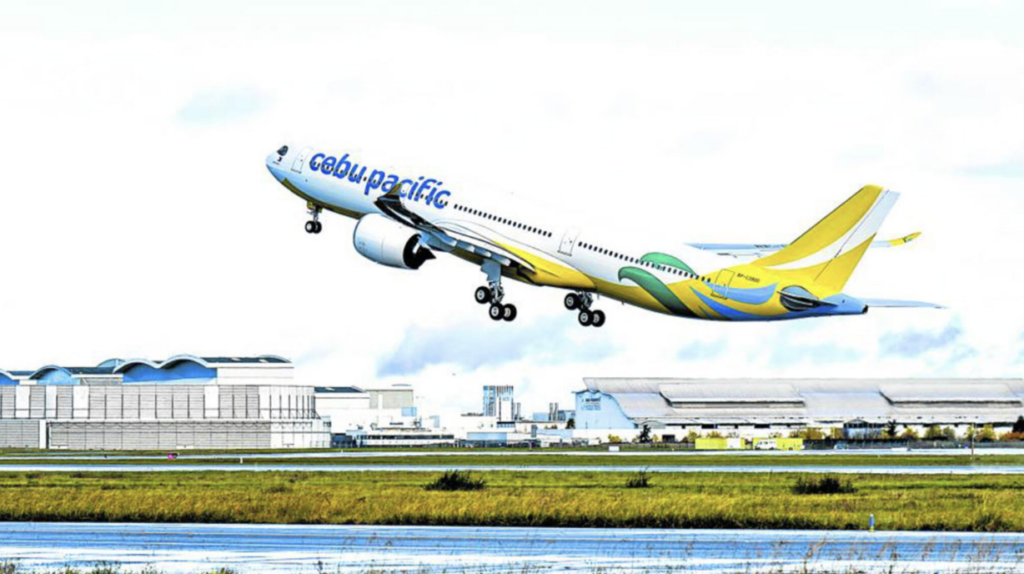
MANILA, Philippines — Cebu Pacific (Cebu Air Inc.) has issued a warning regarding the potential strain on its airline operations as jet fuel prices soar due to the ongoing conflict in the Middle East. Despite these headwinds, the low-cost carrier reported that passenger traffic remained strong through February 2026.
In a statement on Friday, March 13, 2026, Cebu Pacific CEO Mike Szucs expressed caution over the geopolitical tensions involving the U.S., Israel, and Iran, which have severely disrupted global oil markets and the critical Strait of Hormuz shipping lane.
- Fuel Price Pressure: Jet fuel prices in Asia have reportedly surged by nearly 200% since the conflict began. Local kerosene prices, which are closely tied to aviation fuel, saw weekly adjustments as high as ₱38.50 per liter.
- Strategic Response: The airline is actively reviewing its pricing and network strategies to mitigate the impact of rising costs on its bottom line.
- Passenger Growth: Despite the crisis, Cebu Pacific carried 2.34 million passengers in February 2026, a 7.9% increase year-on-year. For the first two months of 2026, the airline served 5.07 million passengers, up 7%.
- Market Resilience: International traffic grew by 9.2% in the first two months of the year, while domestic travel rose by 6.2%.
The Philippine government is considering a full suspension of fuel excise taxes as oil prices remain volatile, with Brent crude frequently topping $100 per barrel. Other Philippine transport sectors, including ferry operators and ride-hailing services like Grab, have already begun implementing fare hikes and support programs to cope with the “jumbo” fuel price increases, which are expected to reach up to ₱22.30 per liter by mid-March.