GENEVA, Switzerland — Economic analysts and global trade monitors are sounding the alarm as the conflict in the Middle East enters what is being termed the “Third Wave” of global economic fallout. While the initial shocks were characterized by immediate spikes in energy prices and maritime insurance, the current phase is marked by deep, structural disruptions to global manufacturing, a “re-inflation” of consumer goods, and a significant shift in international monetary policy.
As the Strait of Hormuz remains a focal point of geopolitical tension, the “diesel double whammy” experienced by developing nations like the Philippines is now becoming a permanent fixture of the 2026 fiscal landscape. The International Monetary Fund (IMF) has revised its global growth forecast downward, citing the “persistent toxicity” of high energy costs on industrial productivity.
“We are no longer looking at a temporary supply chain ‘hiccup,’” a senior economist at the World Trade Organization (WTO) stated. “The Third Wave is about the permanent rerouting of trade and the ‘internalization’ of energy risks. Countries that cannot subsidize their way out of this crisis are facing a potential ‘lost year’ of economic growth.”
The Third Wave of the fallout is manifesting in several critical sectors:
- Manufacturing & “Input Inflation”: Factories in Europe and Asia are facing a 25% increase in operational costs due to the combined surge in electricity (gas-linked) and logistics. This is leading to “shrinkflation” in consumer electronics and automotive parts.
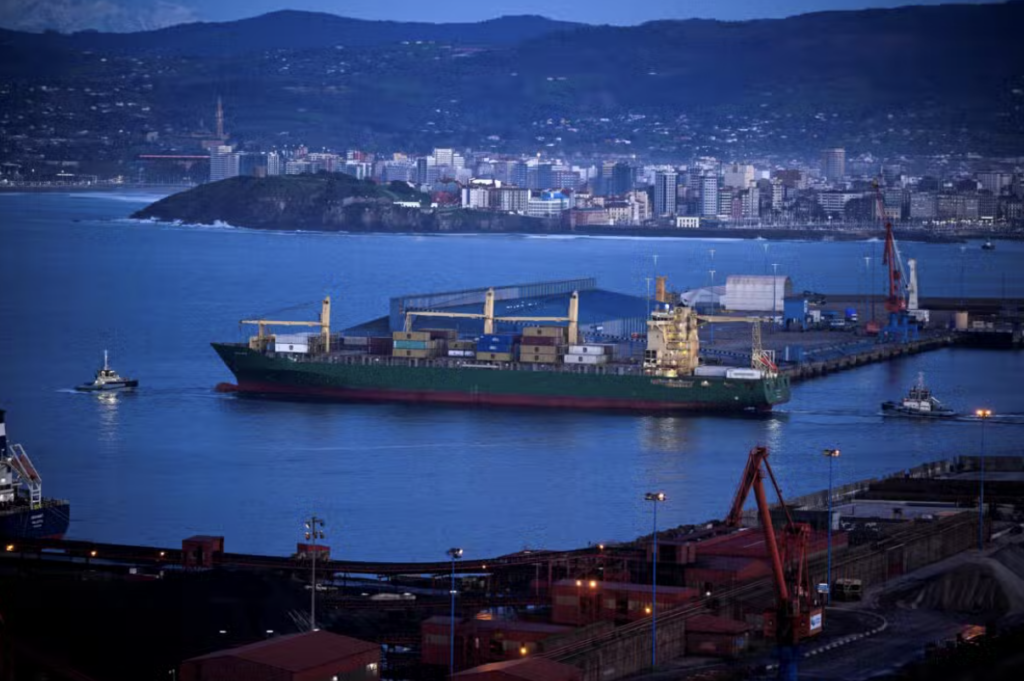
- Maritime Insurance & Freight: With the Red Sea and Gulf regions classified as “High-Risk Zones,” hull and machinery insurance premiums have jumped by 400%. This cost is being passed directly to retailers, affecting everything from grain to specialized machinery.
- Monetary Policy “Tug-of-War”: Central banks, which were previously planning to cut interest rates in 2026, are now forced to keep rates high to combat energy-driven inflation. This “higher-for-longer” stance is increasing the debt-servicing burden for emerging markets.
- Energy Sovereignty Shift: Nations are aggressively pivoting toward “Energy Friend-Shoring”—securing long-term oil and gas contracts with politically aligned neighbors rather than relying on the open spot market.
For the Philippines and other ASEAN neighbors, the Third Wave is particularly challenging due to high “oil-intensity” in their transport and agriculture sectors. While President Marcos has assured that supplies are stable, the cost of those supplies continues to exert downward pressure on household consumption.
To mitigate the fallout, international bodies are recommending:
- Strategic Reserves Expansion: Moving beyond 30-day buffers to 90-day national petroleum reserves.
- Accelerated Grid Decarbonization: Reducing the “inflationary link” between fossil fuels and electricity prices through rapid solar and wind integration.
- Regional Trade Blocs: Strengthening intra-ASEAN trade to reduce reliance on long-haul shipping routes that pass through geopolitical flashpoints.
As the conflict shows no immediate signs of de-escalation, the global economy is bracing for a “New Abnormal” where volatility is the baseline and energy security dictates the pace of national development.