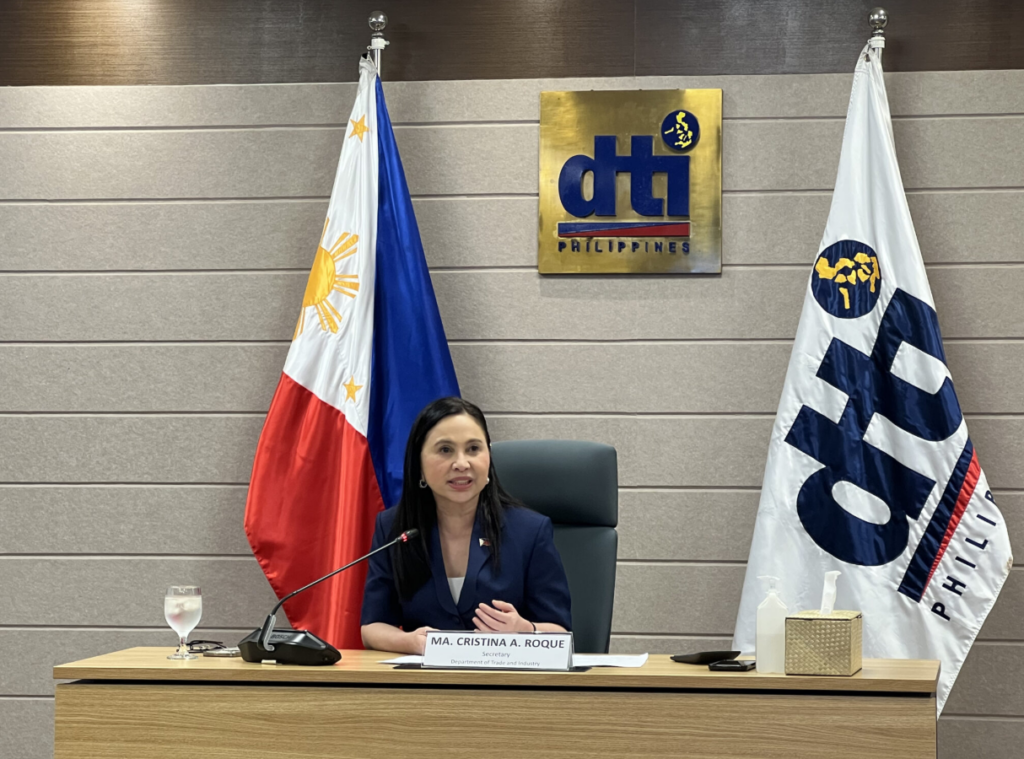
MAKATI CITY, Philippines — The Department of Trade and Industry (DTI) has launched a nationwide “clean-up” operation targeting unauthorized online resellers, specifically those operating on major social media marketplaces and e-commerce apps. The crackdown aims to protect consumers from “price-gouging” and counterfeit goods as the country navigates the “Third Wave” of global economic challenges and the recent Peso slide beyond ₱60 vs $1.
The DTI’s Consumer Protection Group (CPG) noted a surge in “gray market” activities—where individuals buy bulk quantities of essential goods, such as rice, canned milk, and even solar-powered batteries, only to resell them at a significant markup. This practice, according to regulators, contributes to artificial scarcity and complicates the government’s price stability efforts during the current Middle East conflict.
“Digital trade must be fair trade,” a DTI Undersecretary stated during a press briefing. “We are not stopping small-scale entrepreneurship, but we are cracking down on those who bypass business registration, evade taxes, and exploit the current ‘diesel double whammy’ to overcharge their fellow Filipinos. If you are selling online, you must be a registered business with a clear return and refund policy.”
The DTI’s “Operation Digital Integrity” includes several enforcement measures:
- Marketplace Sweeps: Collaborating with platforms like Shopee, Lazada, and TikTok Shop to de-list sellers who cannot provide a valid DTI Business Name Registration or a Bureau of Internal Revenue (BIR) Certificate of Registration.
- Price Monitoring for Essentials: Using AI-driven tools to track the prices of “Basic Necessities and Prime Commodities” (BNPC) across digital storefronts, ensuring they do not exceed the Suggested Retail Price (SRP) set by the government.
- Authentication of Technical Goods: A specific focus on unauthorized resellers of “high-risk” items, such as the solar-powered irrigation components and EV charging cables being promoted as green energy solutions.
- “Mystery Shopping” Stings: DTI agents posing as buyers to identify and penalize sellers of counterfeit or sub-standard products that do not carry the Philippine Standard (PS) mark or the Import Commodity Clearance (ICC) sticker.
The crackdown follows the nationwide transport strike and the deferment of fare hikes, which have put a premium on the delivery and logistics sector. By ensuring that only legitimate, registered sellers are operating, the DTI hopes to stabilize the “Creative Economy” and protect the ₱170-billion capital targets recently reaffirmed by the Philippine Stock Exchange.
Consumer advocacy groups have lauded the move, noting that unauthorized resellers often lack the accountability required when products fail. This is particularly critical as families prepare for the Holy Week rush, a period traditionally marked by increased spending on travel essentials and food.
As the Amihan season fades and the dry season heat intensifies, the DTI is also warning online sellers against “panic-inducing” marketing tactics—such as claiming imminent shortages of water or fuel—to justify high prices. For the millions of Filipinos increasingly relying on digital apps for their daily needs, the DTI’s message is clear: the government is watching the “digital shelf” as closely as the physical one.