
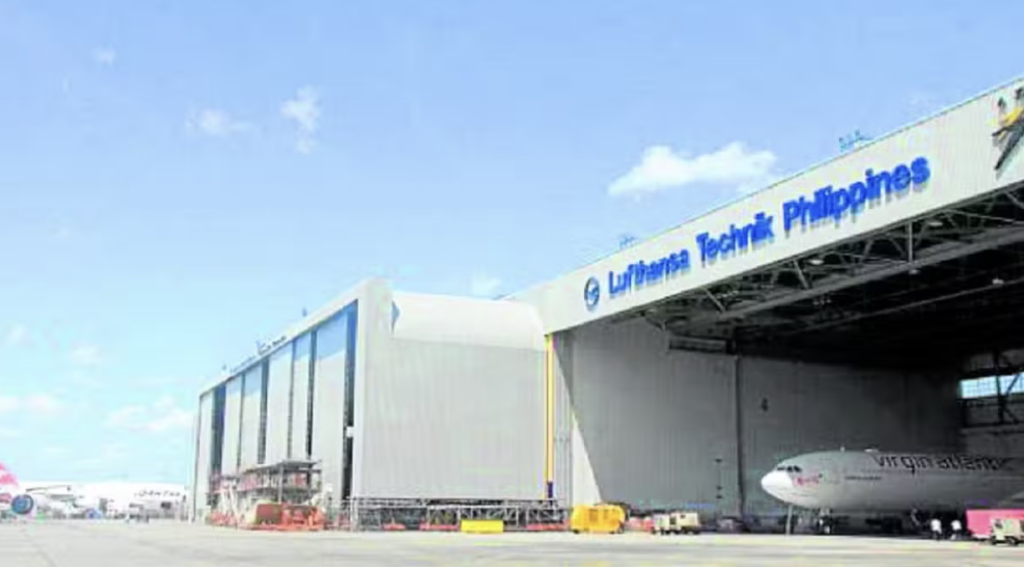
MANILA, Philippines — PAL Express (Air Philippines Corp.), the domestic subsidiary of flag carrier Philippine Airlines (PAL), is transitioning toward self-sufficiency, on Friday, May 15, 2026, the airline is preparing to take full control of its own fleet’s maintenance, repair, and overhaul (MRO) operations.
The move marks a significant departure from the airline’s long-standing reliance on third-party service providers and is expected to streamline operations as the carrier expands its regional footprint.
The shift to in-house maintenance is a strategic play to improve aircraft turnaround times and reduce long-term operational costs.
- The Fleet: PAL Express currently operates a specialized fleet consisting of Airbus A321 narrow-body jets and De Havilland Dash 8-400 NextGen turboprops, which are essential for servicing the Philippines’ smaller island airports.
- The Hub: The airline is reportedly eyeing a dedicated MRO facility in Clark, Pampanga, or an expansion of its existing technical base at Laguindingan Airport to house its engineering teams.
- Certification: The carrier is in the final stages of securing the necessary Approved Maintenance Organization (AMO) certifications from the Civil Aviation Authority of the Philippines (CAAP).
Aviation analysts point to three primary drivers for this multi-million peso investment:
- Reliability & Schedule Integrity: By controlling its own maintenance schedule, PAL Express can minimize delays caused by third-party backlog, ensuring better reliability for its high-frequency domestic routes.
- Cost Efficiency: While the initial investment in tools, spare parts inventory, and hangar space is high, in-house MRO typically lowers the “per-hour” maintenance cost over a five-to-ten-year horizon.
- Specialization: The Dash 8-400 turboprops require specific technical expertise. Developing an internal “center of excellence” for these aircraft could eventually allow PAL Express to offer maintenance services to other regional carriers.
The decision comes at a time of robust growth for the PAL Group:
- Fleet Modernization: The transition aligns with PAL’s broader plan to integrate 13 Airbus A321neo aircraft into its fleet through 2029.
- Record Profits: This investment is fueled by the group’s strong financial performance in 2025 and Q1 2026, which saw a surge in domestic tourism and international transit traffic.
- Competition: With Cebu Pacific also aggressively expanding its fleet and maintenance capabilities, PAL Express’s move ensures it remains competitive in the low-cost and regional segments.
“Taking over our own maintenance is about taking over our destiny. It allows us to be more agile, more efficient, and ultimately, more responsive to the needs of the Filipino traveler.” — PAL Express Management Statement