
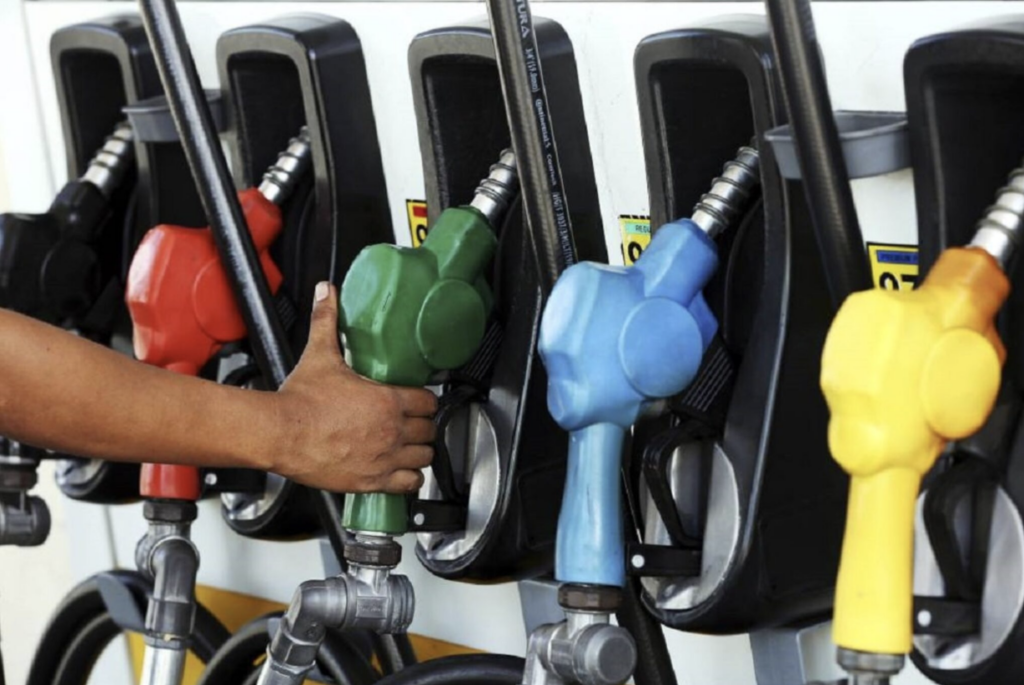
MANILA, Philippines — Filipino motorists and public utility vehicle (PUV) drivers are facing a massive financial blow as oil companies implement another round of staggering price hikes. Diesel prices are set to surge by as much as ₱23.90 per liter, marking one of the steepest single-day increases in Philippine history. Kerosene and gasoline prices are also following this upward trend, though diesel remains the most affected by the current global supply crunch.
The Department of Energy (DOE) attributed this unprecedented spike to the continued volatility in the international oil market, exacerbated by geopolitical tensions in Europe and the Middle East. As global crude benchmarks remain consistently high, the domestic impact has hit a critical level, prompting concerns over its ripple effect on the prices of basic commodities and public services.
“This is an extraordinary situation driven by external factors beyond our control,” a DOE official explained. “The surge reflects the high cost of imported refined petroleum products. We are closely monitoring the situation and coordinating with other agencies to mitigate the impact on the most vulnerable sectors, particularly our transport and agriculture workers.”
In response to the surge, the government is accelerating the distribution of fuel subsidies. However, many transport groups argue that the current subsidies are insufficient to cover the daily losses incurred by drivers. The price hike has intensified calls for the temporary suspension of the excise tax on fuel to provide immediate relief at the pump.
Economic analysts warn that the diesel surge will likely drive up inflation in the coming months. Because diesel is the primary fuel for the logistics, delivery, and public transport sectors, the increased cost is expected to be passed on to consumers through higher fares and food prices.
Local gas stations have begun updating their signage to reflect the new rates, with some areas in Metro Manila and nearby provinces seeing diesel prices inching closer to the ₱100-per-liter mark. Authorities are advising the public to practice fuel-saving measures and for businesses to optimize their delivery routes to manage the rising operational costs.
As the energy crisis persists, the government continues to explore long-term solutions, including diversifying energy sources and increasing the use of biofuels to reduce the nation’s heavy reliance on imported oil.