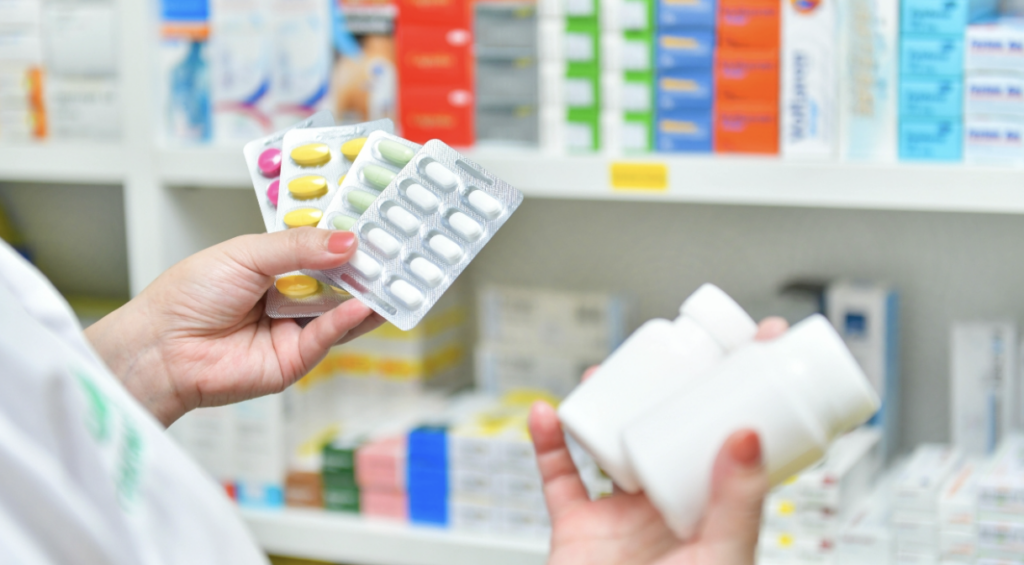
MANILA, Philippines — The Philippine pharmaceutical landscape is poised for a major transformation over the next four years, with generic medicines expected to capture the majority of the market share.
According to a recent report by BMI, a Fitch Solutions company, generic drugs are projected to account for 54 percent of the country’s total pharmaceutical sales by 2030. This shift reflects a growing preference for affordable healthcare solutions among both the government and private consumers.
Key Market Projections
- Total Market Value: The Philippine pharmaceutical market is expected to grow to approximately $6.7 billion (P388 billion) by 2030.
- Generic Growth: Generic sales are forecasted to expand at a compound annual growth rate (CAGR) of 6.2 percent, outpacing the broader pharmaceutical industry.
- Patented Drugs: While high-value patented drugs will still play a role, their market share is expected to gradually erode as more patents expire and the government prioritizes the procurement of low-cost alternatives.
Drivers of Generic Adoption
Several factors are converging to accelerate the dominance of generics in the Philippines:
- Universal Health Care (UHC) Implementation: The government’s continued push for UHC requires a massive scale-up of medicine procurement. To stay within budget, the Department of Health (DOH) and PhilHealth are increasingly turning to generic substitutes for public hospitals and primary care packages.
- Increased Health Awareness: The post-pandemic era has seen a lasting shift in consumer behavior, with Filipinos becoming more health-conscious but also more price-sensitive due to economic pressures.
- Local Production Incentives: Government efforts to incentivize local pharmaceutical manufacturing are primarily focused on generic production, aiming to reduce the country’s dependence on expensive imports.
- Doctor-Patient Trust: Greater confidence in the bioequivalence and quality of generic brands—bolstered by stricter Food and Drug Administration (FDA) oversight—is encouraging doctors to prescribe them more frequently.
Strategic Challenges
Despite the optimistic outlook, BMI noted that the market faces hurdles. Regulatory bottlenecks in the drug registration process and the persistence of “out-of-pocket” spending by the poorest Filipinos remain significant barriers to achieving full market potential.
As generic brands like Unilab, Pascual Laboratories, and international players like Sandoz and Teva expand their presence, the competition is expected to drive prices even lower, ultimately benefiting the millions of Filipinos who currently struggle to afford essential medications.