
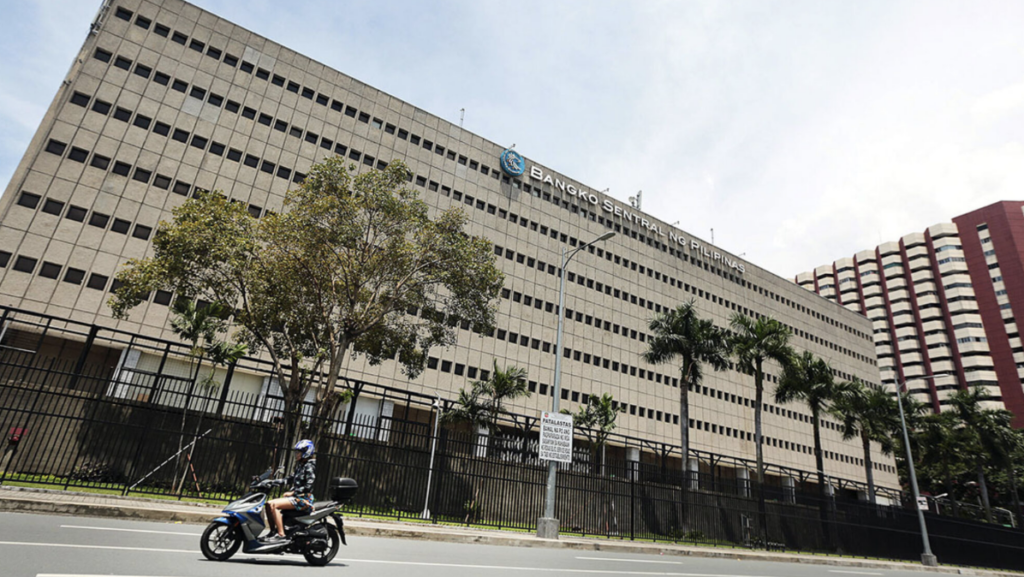
Rising global oil prices driven by escalating tensions in the Middle East could prevent the Bangko Sentral ng Pilipinas (BSP) from implementing further interest rate cuts, according to economists monitoring the situation.
Analysts said the surge in oil prices may increase inflation risks in the Philippines, making it harder for the central bank to continue easing monetary policy. Lower interest rates are typically used to stimulate economic growth, but higher fuel costs could push prices of goods and services upward.
The recent spike in oil prices comes as geopolitical tensions threaten global energy supply. This development is expected to place additional pressure on economies that rely heavily on imported fuel, including the Philippines.
Economists warned that if oil prices remain elevated, inflation could rise again after showing signs of slowing down in previous months. Because of this risk, the BSP may need to pause or reconsider further policy easing to keep inflation expectations under control.
Higher fuel costs could also affect transportation, electricity generation, and the overall cost of living, which may ultimately influence economic growth and consumer spending.
Market watchers said the central bank will likely continue monitoring global oil trends, inflation data, and economic performance before making any decision on interest rate adjustments in the coming months.