
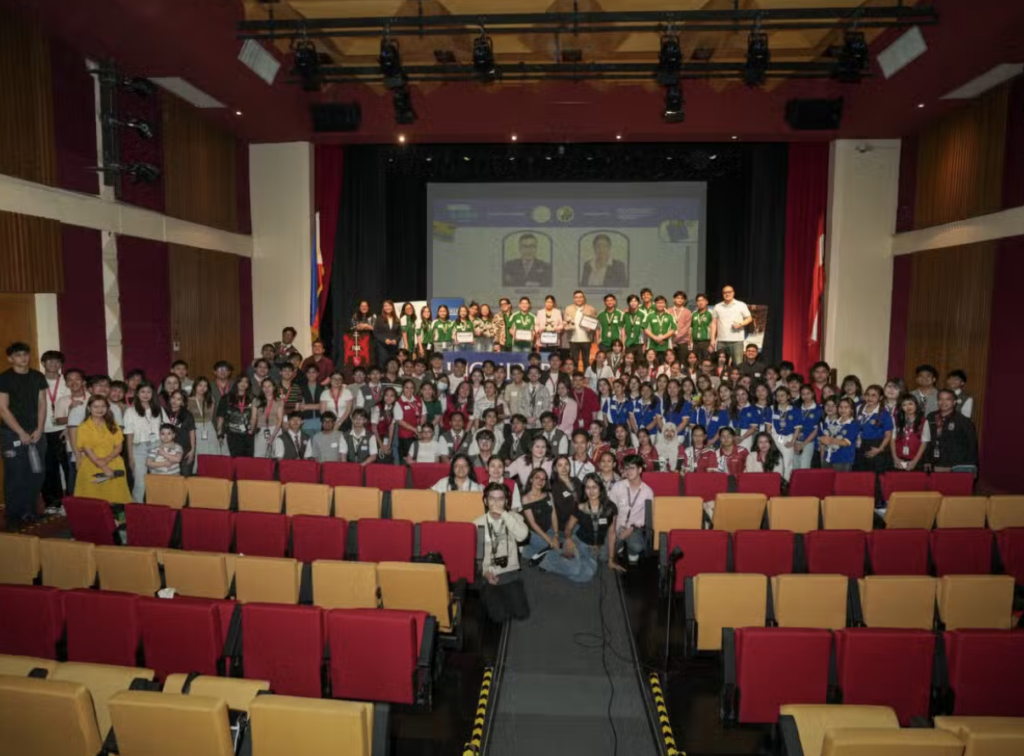
MANILA, Philippines — As the Philippines accelerates its transition into a “cashless society,” financial experts and regulators are emphasizing that the strongest defense against cybercrime is not just advanced software, but the critical thinking of the end-user. During a recent digital finance forum, industry leaders highlighted that while Fintech platforms have become more secure, the “human element” remains the most common entry point for financial fraud and phishing scams.
The Bangko Sentral ng Pilipinas (BSP) and various e-wallet providers noted that the rise of artificial intelligence has allowed scammers to create highly convincing fake messages, deepfake audio, and sophisticated “spoofing” websites. To counter this, consumers are being urged to adopt a skeptical mindset—verifying every transaction, questioning unsolicited “urgent” requests for personal data, and recognizing the red flags of social engineering.
“Security technology is only half the battle,” said a digital security consultant at the forum. “You can have the most secure app in the world, but if a user is tricked into giving away their One-Time Password (OTP), the technology cannot stop the theft. Critical thinking is the ultimate firewall in the age of Fintech.”
The call for heightened awareness comes as digital transactions in the Philippines hit record volumes in early 2026. Experts recommend a “Pause, Analyze, and Verify” approach before clicking any links or transferring funds. This includes checking for secure “https” protocols, looking for slight misspellings in official-looking emails, and never sharing sensitive credentials over the phone or through messaging apps.
Educational campaigns are currently being expanded to reach more rural areas and older demographics, who are often specifically targeted by cybercriminals. Financial institutions are also being pushed to implement more robust multi-factor authentication (MFA) methods that go beyond simple SMS-based codes to better protect the growing number of digital-first Filipino consumers.