
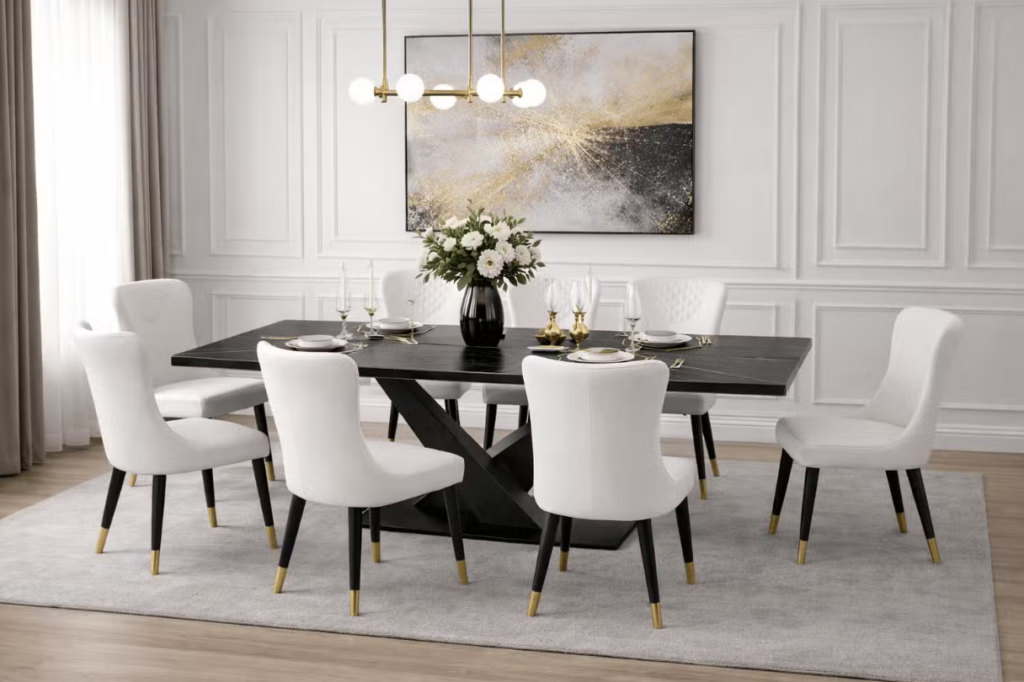
MANILA, Philippines — The Philippine real estate landscape is undergoing a dramatic shift as developers move beyond traditional functional design toward “experiential” architecture. A recent industry feature highlights how modern office and residential spaces are being reimagined to “impress and inspire,” prioritizing mental well-being, aesthetic impact, and seamless technology integration. As the boundaries between work and life continue to blur, the “soul” of a building is becoming as important as its square footage.
Industry leaders suggest that the next generation of premium developments will be defined by their ability to evoke emotion. From biophilic elements that bring the outdoors in to curated art installations in common areas, the goal is to create environments that foster creativity and community.
“A space shouldn’t just be a place where you sit; it should be a place that motivates you,” a leading architectural consultant noted. “We are seeing a massive demand for ‘high-design’ environments—spaces that use light, volume, and texture to create an immediate sense of prestige and comfort. This is the new benchmark for luxury and corporate excellence.”
The “Impress and Inspire” movement is characterized by several key design pillars:
- Biophilic Integration: Incorporating living walls, natural ventilation, and indoor gardens to reduce stress and improve air quality.
- Flexible “Plug-and-Play” Hubs: Designing office layouts that can transform from private workstations to collaborative social lounges in minutes.
- Aesthetic Grandeur: Utilizing double-height ceilings, signature lighting fixtures, and high-end sustainable materials (like reclaimed wood and smart glass) to create a “wow” factor.
- Wellness-Centric Amenities: Including dedicated “quiet zones,” meditation rooms, and fitness centers that feel more like boutique spas than traditional gyms.
Real estate analysts point out that these “inspirational spaces” are not just a luxury trend; they are a strategic business move. Companies that invest in high-quality office environments report higher employee retention and productivity, while residential developers find that “inspired” branding allows for significant premium pricing in a competitive market.
In Metro Manila, new developments in Bonifacio Global City (BGC) and the Makati Central Business District are already showcasing these trends. These buildings often feature LEED-certified systems paired with world-class interior design, proving that sustainability and high-end aesthetics can go hand-in-hand.
As the industry moves toward 2027, the focus is expected to shift even further toward “hyper-personalization”—using AI and smart sensors to adjust lighting, temperature, and even scent within a space to match the mood and needs of its occupants.