
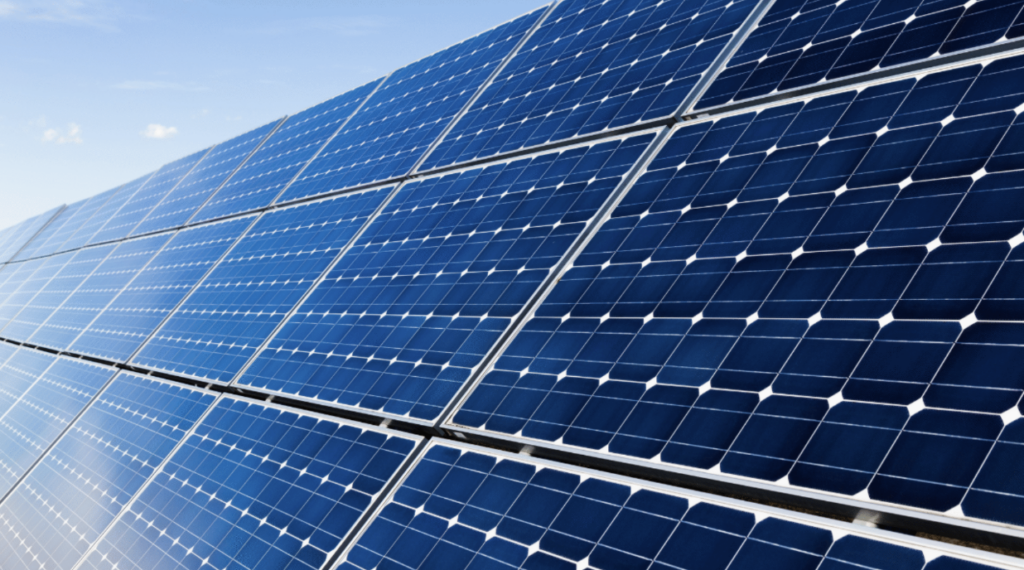
ALICIA, Isabela — The Yuchengco Group of Companies (YGC), through its renewable energy arm PetroGreen Energy Corp. (PGEC), has officially commissioned its ₱1.8-billion solar power project in Isabela. The “switch-on” ceremony marks a significant addition to the Luzon grid, providing much-needed clean energy as the country faces a “diesel double whammy” and rising electricity demand during the transition to the dry season.
The 27-megawatt (MW) Isabela Solar Power Project spans an expansive site in the municipality of Alicia, utilizing high-efficiency solar panels and advanced inverter technology to maximize power generation. The project is part of YGC’s broader commitment to decarbonizing the Philippine energy landscape and reducing the country’s heavy reliance on imported fossil fuels.
“This facility is not just about generating megawatts; it’s about energy security and environmental stewardship,” a PGEC executive stated during the inauguration. “By harnessing the abundant sunlight of the Cagayan Valley, we are providing a stable, renewable source of power that protects consumers from the volatility of global oil and coal prices.”
The Isabela Solar Park features several key technical and economic highlights:
- Grid Stability: The plant is strategically connected to the National Grid Corporation of the Philippines (NGCP) via a dedicated transmission line, helping stabilize voltage levels in Northern Luzon during peak hours.
- Job Creation: During its construction phase, the project employed over 500 local workers from Isabela. PGEC has committed to maintaining a local workforce for the long-term operation and maintenance of the site.
- Agricultural Synergy: The project developers are exploring “Agrivoltaics”—the practice of growing shade-tolerant crops beneath the solar panels—to ensure that the land remains productive for the local farming community.
- Carbon Offset: At full capacity, the 27-MW plant is expected to displace approximately 38,000 metric tons of carbon dioxide annually, contributing to the Philippines’ Nationally Determined Contributions (NDC) under the Paris Agreement.
The timing of the commissioning is critical. As the Amihan (Northeast Monsoon) weakens and temperatures rise across the Philippines, the Department of Energy (DOE) has warned of thinning power reserves. The injection of solar power during daylight hours—when air conditioning usage is at its peak—is expected to mitigate the risk of “red” or “yellow” alerts in the Luzon grid.
YGC’s PetroGreen is also fast-tracking other renewable energy ventures, including offshore wind projects and solar expansions in Dagohoy, Bohol, and parts of Tarlac. These initiatives align with the government’s target of increasing the renewable energy share in the national power mix to 35% by 2030.
With the ₱1.8-billion Isabela project now operational, the Yuchengco Group solidifies its position as a major player in the “Green Energy Auction Program” (GEAP), providing a blueprint for how private capital can drive the country toward a more sustainable and self-sufficient energy future.