
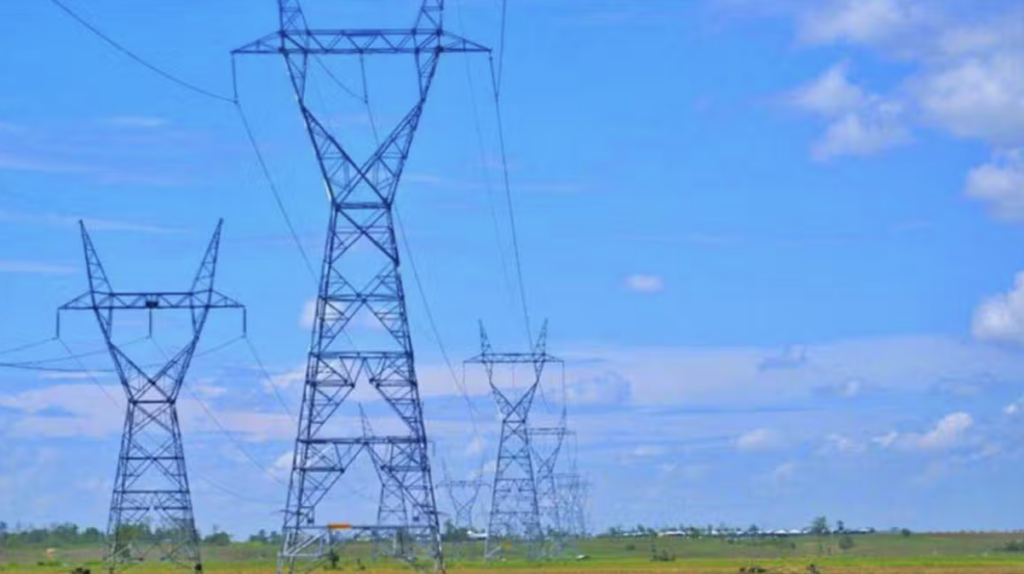
MANILA, Philippines — Facing an intense rush to stabilize the country’s fragile power grid amid recurring summer alerts, state energy planners are trying to fast-track massive infrastructural backlogs. The Department of Energy (DOE) revealed that the Marcos administration remains significantly behind on its signature multi-year utility expansion strategy.
Official energy audits confirm that the government has successfully activated only a small fraction of the generation assets promised to the public.
During his 2025 State of the Nation Address (SONA), President Ferdinand Marcos Jr. committed to deploying an aggressive pipeline of new generation assets to end persistent blackouts and bring down high electricity costs across the archipelago:
[President Marcos' Total 2028 Infrastructure Goal] ──► 200 New Power Plants Online
                                                                  │
                                                                  ▼ (Status Check: End of March 2026)
[Only 31 Generation Assets Activated]                   ◄── Backlog of 169 Plants Remains Unfinished
                                                                  │
                                                                  ▼
                       [DOE Races to Fast-Track Regulatory Approvals & Construction]
According to data presented by DOE Undersecretary Felix William Fuentebella on behalf of Energy Secretary Sharon Garin at an Economic Journalists Association of the Philippines forum, only 31 projects had been fired up as of end-March. This leaves 169 plants still pending construction, testing, or regulatory clearance with less than two years left on the administration’s timeline.
The slow rollout stands in stark contrast to the massive scale of the country’s modern energy poverty, with the DOE estimating that roughly three million Filipino households still completely lack reliable access to grid power:
                          [ PROJECTED COMPLETED UTILITY SCALE ]
                                            │
         ┌──────────────────────────────────┴──────────────────────────────────┐
         ▼                                                                     ▼
   [ RECENTLY COMPLETED ASSETS ]                                         [ FULL RAMP-UP IMPACT ]
   • **Renewable Core Focus:** The 31 operational plants are heavily       • **Mass Consumer Coverage:** Bringing the remaining 169
     dominated by clean systems, including solar fields, hydro-electric      facilities online would generate enough juice to power
     turbines, and biomass facilities.                                       **four million households**.
   • **Island Distribution:** Units are distributed across Luzon, the     • **Industrial Buffer:** The completed network is configured to
     Visayas, and Mindanao to build up regional network resilience.          sustain operations for over **200,000 factories**.
To aggressively close the physical production gap, Secretary Garin noted that the DOE is systematically loosening bureaucratic bottlenecks to encourage private generation investments.
| Strategic Energy Framework | Implemented Executive Actions | Long-Term Clean Power Targets |
| Market Liberalization | Fully opening up 100% foreign ownership rights for renewable energy developments. | Mandating that the Philippines must source at least half of its total power generation from renewables by 2040. |
| Streamlined Permitting | Creating rapid clearance paths for microgrids, grid-tier battery storage systems, and offshore wind arrays. | Running extensive Green Energy Auctions that have successfully locked in 20 gigawatts of private sector supply contracts. |
The urgency to build out this generation reserve has intensified as a lingering energy shock, exacerbated by geopolitical volatility, threatens sovereign economic growth metrics. While the administration points to the 20 gigawatts of awarded contracts as proof of incoming private momentum, energy analysts maintain that the real challenge lies in execution. Until the remaining 169 power assets successfully move from paper into active grid transmission lines, local businesses and residential communities will remain highly vulnerable to volatile prices and seasonal brownouts.