
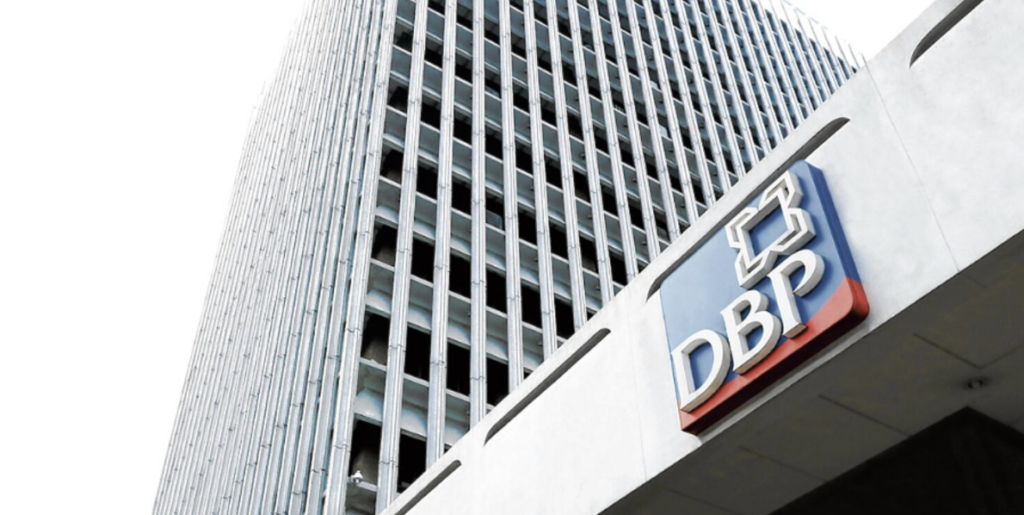
MANILA, Philippines — In a major push to fortify food security at the grassroots level, state-owned Development Bank of the Philippines (DBP) has extended a P100-million credit facility to Bayanihan Bank Inc. The capital injection is specifically earmarked to expand rural micro-lending windows, helping smallholder farmers and fisherfolk across Southern Luzon and neighboring regions stay afloat amidst escalating production costs.
The strategic partnership leverages the rural bank’s deep local network to funnel government development funds directly into marginalized agricultural communities that traditional commercial lenders typically overlook.
The P100-million loan was approved under DBP’s specialized Agriculture, Fisheries, and Rural Development (AFRD) Credit Facility. This program acts as a financial pipeline designed to bridge the gap between state-level capital and small-scale rural producers:
                         [ THE RURAL CREDIT PIPELINE ]
                                       │
         ┌─────────────────────────────┴─────────────────────────────┐
         ▼                                                           ▼
   [ CENTRALIZED CAPITAL ]                                     [ THE LOCALIZED OUTREACH ]
 • **The DBP AFRD Mandate:** As of late April, the program has     • **Bayanihan Bank's Footprint:** Established in 1960, the rural
   greenlit **P578.7 million in total loans** across 32 distinct     lender specializes in serving micro-enterprises and small farms
   institutional borrowers nationwide.                              across **Quezon, Laguna, Pangasinan, and Metro Manila**.
 • **Grassroots Footprint:** These collective state facilities     • **Strategic Alliance:** DBP President and CEO Michael de Jesus
   have already directly benefited more than **1,500 primary sector** noted that partnering with established rural banks is the fastest
   producers on the ground.                                         way to accelerate inclusive economic growth.
The aggressive rural lending push comes on the heels of robust financial growth for the state-owned development institution, reinforcing its capability to absorb long-term development risks.
[ DBP FIRST-QUARTER FINANCIAL MOMENTUM ]
                   │
                   ▼
[ Net Income Expansion ]   ──► DBP's first-quarter net income surged to **P2.03 billion**, a substantial climb
                               from the P1.61 billion recorded during the same period last year.
                               │
                               ▼
[ Mass Asset Threshold ]   ──► The state lender's total asset base officially stands at a massive **P1.037 trillion**,
                               giving it significant leverage to anchor vital national infrastructure programs.
                               │
                               ▼
[ Core Mandate Focus ]     ──► Profits are systematically channeled back into backing MSMEs, green energy transitions,
                               social development programs, and regional agricultural modernization.
The credit rollout arrives at a highly critical juncture for the domestic agricultural economy. Local producers are currently facing a tight financial squeeze from global macroeconomic shifts, making access to affordable capital a matter of survival.
| Macroeconomic Pressure Layer | The Immediate Threat to Smallholders | The Rural Credit Countermeasure |
|---|---|---|
| Volatile Fuel Inputs | Diesel and transport costs are rising due to Middle East energy crises, eating away at small farming margins. | Flexible working capital loans allow rural cooperatives to bulk-purchase fuel and fertilizer at discounted rates. |
| Output Contractions | A general drop in farm and fisheries output during early 2026 has left many rural households with limited cash reserves. | Low-interest institutional loans prevent farmers from falling victim to predatory, high-interest informal lenders. |
| Mitigating Food Inflation | Supply bottlenecks risk driving up market prices for urban consumers, threatening overall food sovereignty. | Ensuring continuous funding keeps local planting schedules on track, stabilizing regional food supplies. |
By using Bayanihan Bank’s specialized regional presence to distribute this P100-million fund, DBP ensures that financial relief bypasses standard urban banking bottlenecks and reaches the fields where it is needed most. As the agriculture sector continues to navigate intense climate and global energy challenges, this collaborative credit model highlights how state development funds can be effectively weaponized to protect the livelihood of Filipino food producers—ensuring that rural communities retain the capital necessary to keep the nation’s markets supplied.