
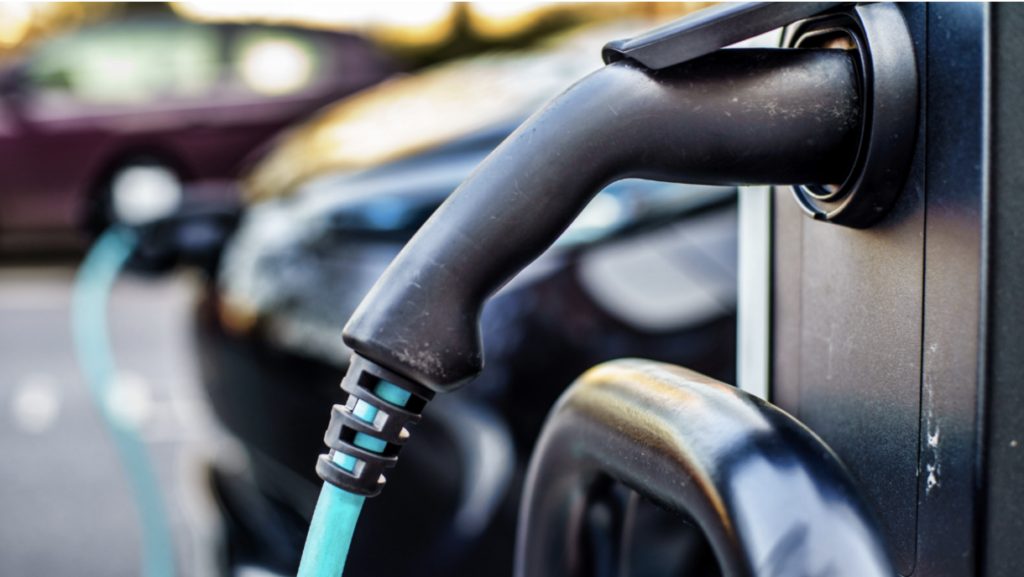
MANILA, Philippines — Moving aggressively to remove the primary roadblock slowing down the country’s transition to green transport, the Philippine government is preparing a sweeping policy overhaul to fast-track electric vehicle (EV) infrastructure. State energy planners are drafting a new rule that will effectively cut the regulatory approval and permitting time for EV charging projects by as much as half.
The fast-tracked framework comes as auto manufacturers struggle to meet an unexpected surge in consumer demand for electrified vehicles, triggered by highly volatile global oil markets linked to ongoing Middle East conflicts.
The upcoming Joint Administrative Order (JAO) is a multi-agency effort being finalized by the Department of Energy (DOE), the Department of the Interior and Local Government (DILG), the Department of Public Works and Highways (DPWH), and the Anti-Red Tape Authority (ARTA). Its core objective is to dismantle the bureaucratic bottlenecks that traditionally delay commercial station deployments:
                          [ THE REGULATORY PERMITTING DELTA ]
                                           │
         ┌─────────────────────────────────┴─────────────────────────────────┐
         ▼                                                                   ▼
   [ THE CURRENT BOTTLENECK ]                                          [ THE UPGRADED PIPELINE ]
 • **Sequential Delays:** Under the legacy framework, green developers • **Simultaneous Processing:** The upcoming JAO mandates that
   must secure clearances from separate agencies one by one, a        all relevant state departments and local government units
   process that regularly drags on for **six months**.                must process application tracks concurrently.
 • **The Infrastructure Deficit:** This sluggish pace has left the  • **Target Window:** The regulatory timeline will be compressed
   country with only around **1,600 active charging points**         to **three months or less**, dramatically lowering initial
   nationwide to date.                                               operational friction for private market investors.
To guarantee that local bureaucracies do not sit on infrastructure requests, Patrick Aquino, director of the DOE’s Energy Utilization Management Bureau, confirmed that the government is actively integrating a built-in safety valve:
[ THE INFRASTRUCTURE ENFORCEMENT LOOP ]
                  │
                  ▼
[ Simultaneous Filing Track ]  ──► Developers submit a single master application packet distributed directly
                                   across all municipal and structural engineering boards.
                                   │
                                   ▼
[ Deemed-Approved Mechanism ]  ──► If a local government unit or state bureau fails to act on a standard EV permit
                                   within the newly prescribed legal window, the project is *automatically approved*.
                                   │
                                   ▼
[ Rapid Grid Integration ]     ──► Approved hubs move straight to physical construction, feeding directly into the
                                   government's overarching target of deploying **7,000 charging points by 2028**.
The push to aggressively scale out grid points coincides with sharp shifts in domestic consumer behavior. Fuel price anxieties are forcing buyers to explore clean energy alternatives at a pace that is catching automotive distributors off guard.
| EV Market Metric | Current Sector Baseline (2026) | Government & Industry Targets |
|---|---|---|
| National Fleet Volume | The DOE projects total LTO-registered electrified vehicles to breach the 100,000-unit mark by the end of the year. | Aided by recent structural expansions, including the EV perks scheme hurdling the incentives board. |
| Market Share Dip | EV share of total industry sales pulled back to around 20% in May, down from earlier peaks. | Driven strictly by a depletion of dealer inventory; brands are actively scrambling to replenish supply after being surprised by the fuel crisis. |
| Total Annual Sales Profile | Chamber of Automotive Manufacturers of the Philippines (Campi) logs a minor 5% to 8% overall contraction for the broader industry compared to 2025’s record 491,395 units. | The contraction outlook is significantly improved from earlier double-digit drop forecasts, propped up by resilient EV demand. |
Energy officials and industry leaders alike maintain that the biggest barrier to widespread electric vehicle ownership in the Philippines has never been a lack of consumer interest—it is the persistent “range anxiety” caused by a sparse national charging network. By cutting the permitting window down to a three-month sprint and establishing a strict “deemed-approved” standard, the state aims to unleash a wave of private sector infrastructure investments. As commercial developers rapidly map out clean-energy charging hubs across major provincial corridors, the country is positioned to transform the current fossil fuel crisis into an accelerated leap toward absolute transport sustainability.