
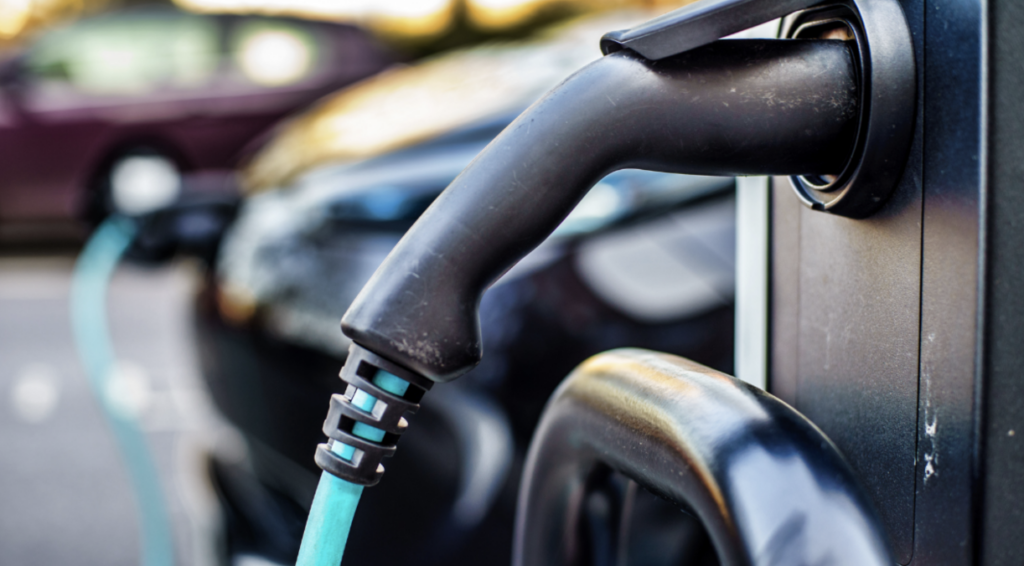
MANILA, Philippines — Positioning its economic zones as competitive manufacturing and export hubs for sustainable mobility, the government is aggressively ramping up its campaign to attract foreign automotive capital. The Philippine Economic Zone Authority (PEZA) has stepped up initiatives to draw major electric vehicle (EV) players into its specialized ecozones.
The investment push aims to build a self-sustaining local supply chain, spanning battery assembly, automotive electronics, and localized charging infrastructure.
PEZA Director General Tereso Panga emphasized that the agency’s ecozones are uniquely positioned to serve as immediate landing pads for global manufacturers trying to tap into the expanding Southeast Asian market:
                        [ THE PEZA EV ECOZONE VALUE PROPOSITION ]
                                            │
         ┌──────────────────────────────────┴──────────────────────────────────┐
         ▼                                                                     ▼
   [ PLUG-AND-PLAY SITES ]                                               [ PREFERENTIAL CHANNELS ]
 • **Infrastructure Readiness:** Ecozones provide vehicle builders with • **Incentive Frameworks:** Offers competitive fiscal perks
   fully equipped locations, reliable power grids, and streamlined,     • optimized through the newly updated **Strategic Investment**
   low-friction logistics connectivity.                                  • **Priority Plan (SIPP)**.
 • **Supply Integration:** The target extends beyond simple vehicle   • **Global Reach:** Capitalizes on the country's skilled technical
   assembly, focusing heavily on drawing in localized **battery**      • workforce and trade paths to key international destinations.
   **manufacturing** and electronic component ecosystems.
A primary focal point of PEZA’s current outreach is VinFast Auto Ltd., Vietnam’s pioneering EV manufacturer. While the company has already established a presence in the Philippine domestic retail market through vehicle sales and a ride-hailing alliance with Green GSM, PEZA wants to elevate this relationship into a full-scale industrial manufacturing partnership:
[ THE VINFAST MANUFACTURING PIPELINE ]
                   │
                   ▼
[ Retail Footprint ]        ──► VinFast initially entered the country via direct vehicle sales and localized fleet
                                distribution partnerships to establish its brand presence.
                                │
                               ▼
[ Infrastructure Studies ]  ──► The carmaker is currently exploring the feasibility of deploying specialized **charging**
                                **facilities** directly across active PEZA ecozone properties.
                                │
                               ▼
[ Manufacturing Potential ] ──► The ultimate goal focuses on convincing VinFast to manufacture specialized EV charging equipment
                                and power-pack assemblies locally within Philippine economic borders.
This strategic push comes on the heels of Vietnamese President To Lam’s recent two-day state visit, which resulted in an upgraded economic partnership framework between the two ASEAN neighbors.
| Investment Target / Player | Active Entry Status & Strategy | Broader Regional Implications |
| VinFast Charging Infrastructure Unit | Partnered with the Provincial Government of Bataan to deploy 600 charging stations and 1,200 battery-swapping hubs. | Establishes a critical regional blueprint for high-density, fast-charging networks outside the capital region. |
| Indonesian Automotive Entrants | Regional component suppliers Astra Visteon and Diametral Involute have officially registered as active ecozone locators. | Strengthens the baseline supply chain by embedding trusted Southeast Asian parts suppliers within local borders. |
| Vietnamese Business Delegation | PEZA is coordinating with Vietnamese Ambassador Lai Thai Binh to arrange a dedicated trade mission of electronics and EV manufacturers. | Transforms the historical trade competition between the Philippines and Vietnam into a collaborative regional supply network. |
“The entry of VinFast into ecozones would complement PEZA’s ongoing initiatives to attract investments in electric vehicle manufacturing, battery assembly, automotive electronics, charging infrastructure, and other sustainable mobility technologies,” PEZA stated, confirming it expects more regional electronics firms to lock in positions.
The push to manufacture EVs locally is accelerating due to shifts in the local transport market. A recent surge in global oil prices, driven by ongoing tensions in the Middle East, has fundamentally altered consumer behavior—driving a 36% jump in local EV sales during the opening quarter of the year. To keep up with this demand, the government is introducing the Electric Vehicle Incentive Strategy (EVIS) to bridge the cost gap for manufacturers, while simultaneously drafting rules to cut charging station permitting times down to three months or less. By aggressively transforming its ecozones into green manufacturing strongholds today, the Philippines aims to transition from a pure consumer of imported technology into a vital, high-value manufacturing anchor for the region’s electric future.