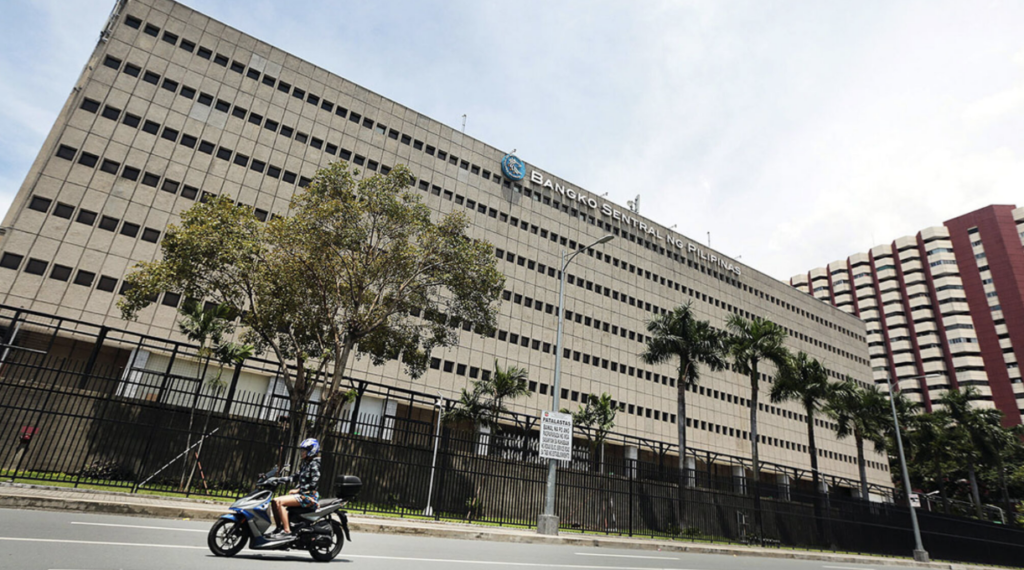
MANILA, Philippines — Moving swiftly to isolate local consumer capital from volatile speculative projects, the central bank has placed the burden of digital risk management directly onto local exchanges. The Bangko Sentral ng Pilipinas (BSP) has issued strict new rules forcing crypto platforms to conduct exhaustive due diligence reviews before listing any digital tokens.
The directive seeks to formalize clear consumer protection safety nets across the country’s developing virtual asset landscape.
Approved on June 5, 2026, Memorandum No. M-2026-023 targets the country’s 11 registered Virtual Asset Service Providers (VASPs), transforming how they must vet commercial digital assets:
                        [ THE BSP TOKENS DUE DILIGENCE MANDATE ]
                                           │
         ┌─────────────────────────────────┴─────────────────────────────────┐
         ▼                                                                   ▼
   [ SHIFTING THE RESPONSIBILITY ]                                   [ DEFINING THE PERIMETER ]
 • **Strict Pre-Listing Reviews:** VASPs can no longer allow public • **True Virtual Assets:** The central bank explicitly focuses
   trading of novel tokens without compiling extensive baseline     • on digital representations of value that can be digitally
   risk profiles.                                                   • traded, transferred, or used for everyday payments.
 • **Protecting the Market:** The memo clarifies state expectations,• **Excluding Fiat Currencies:** The macro policy safeguards
   forcing platforms to protect local buyers from sudden asset      • standard retail users while strictly excluding any digitalized
   collapses or systemic crypto market manipulation.                • representations of official state fiat currencies.
Under the updated central bank framework, local exchanges must thoroughly audit six operational aspects of a digital token before offering it to Filipino investors:
[ THE SIX REQUISITE TOKEN EVALUATION TESTS ]
                     │
                     ▼
[ 1. Issuer Verification ]──► Analysts must verify the identity, structural history, and financial backing
                              of the core entity issuing the asset.
                              │
                             ▼
[ 2. Market Capitalization ]──► The platform must look at the asset's active trading volume and maturity track record
                              to ensure there is adequate stability.
                              │
                              ▼
[ 3. Technology Audits ]  ──► Regulated exchanges are required to examine the underlying code and verify if the token's
                              infrastructure has been independently audited by cybersecurity professionals.
- 4. Core Utility: Platforms must establish a clear understanding of the token’s purpose and target user base.
- 5. Risk-Benefit Profiles: The platform must clearly lay out balancing metrics to help retail customers make informed choices.
- 6. Regulatory Compliance: Ensuring the asset complies with active national and international legal standards.
The central bank’s tighter rules serve as a defensive shield for the domestic economy, minimizing risks for retail investors exploring alternative financial assets.
| Active Regulatory Status | Registered Service Entities | Central Focus of Memorandum No. M-2026-023 |
| VASP-Registered Platforms | 11 Active Exchanges | Pre-Listing Due Diligence; mandates deep forensic, technical, and market checks to keep unstable tokens away from the public. |
What This Means for Local Crypto Traders: By requiring independent technical audits and clear risk disclosures, the BSP is trying to eliminate the “buyer beware” chaos of unvetted token launches. While trading crypto always carries risks, these rules ensure that any token listed on a legal Philippine platform has met a high baseline of structural security, market transparency, and issuer accountability.
The BSP’s new memorandum represents a long-overdue step toward cleaning up the local digital asset space. For years, crypto platforms could list almost any token, leaving everyday retail investors completely exposed when projects collapsed or turned out to be scams. By shifting the legal responsibility directly onto the 11 registered VASPs, the central bank is forcing exchanges to act as real gatekeepers. Requiring independent cybersecurity audits and deep background checks on token issuers makes it much harder for fraudulent projects to enter the local ecosystem. As digital finance grows throughout 2026, these rules build a safer environment, ensuring that exploring alternative assets doesn’t mean walking into a financial trap.