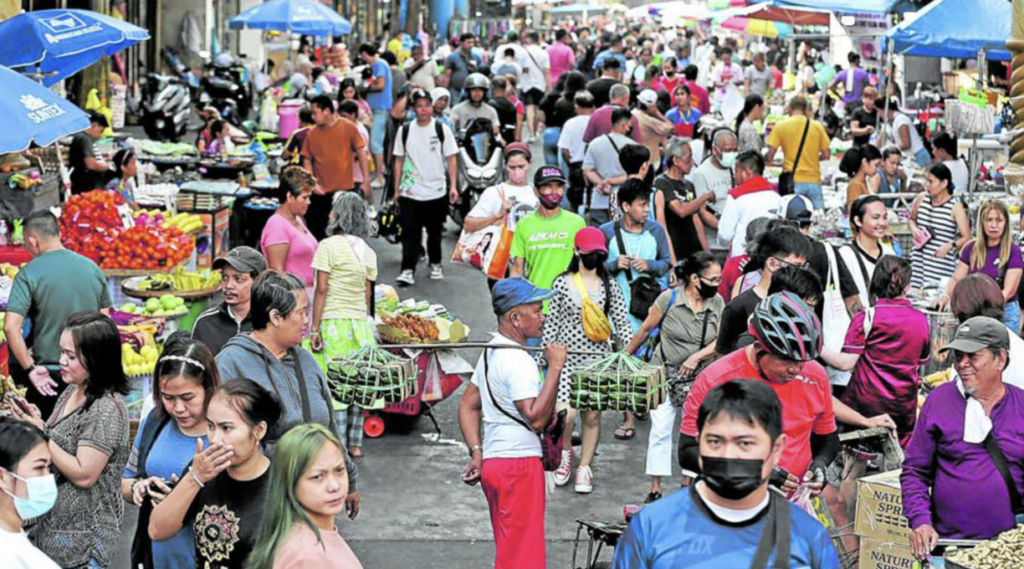
MANILA, Philippines — Facing an intersecting web of macroeconomic pressures, local consumers are taking direct control of their wallets by scaling back on leisure and non-primary goods. Households are increasingly choosing to trim nonessential expenses as sticky domestic inflation worries are further aggravated by regional uncertainties tied to the recent Middle East crisis.
The analytical breakdown, anchored on the latest TransUnion Consumer Pulse Study, details a pronounced, highly calculated shift toward financial self-preservation across different income classes.
The survey indicates that the appetite for discretionary lifestyle choices has visibly cooled down compared to previous quarters. The primary categories facing immediate budget cuts include:
                        [ INTENDED CHANGES IN RETAIL SPENDING ]
                                           │
         ┌─────────────────────────────────┴─────────────────────────────────┐
         ▼                                                                   ▼
   [ THE HOUSEHOLD BUDGET TRIMMERS ]                                 [ THE REVENUE INTENTION DROPS ]
 • **Leisure and Entertainment:** Spending pools for dining out,    • **Digital Goods Slowdown:** Consumer willingness to subscribe to
   international or domestic travel, and entertainment media are the• or purchase new digital services softened, with only **28 percent**
   very first areas Filipino enrollees plan to slash.                • planning to expand digital allocations.
 • **The 26% Ceiling:** Only 26 percent of local respondents plan to • **Savings Squeeze:** Compounding the anxiety, the total share of
   increase luxury or lifestyle spending over the second quarter—   • citizens looking to actively pad out their retirement funds and
   marking a clean **4 percentage point drop** quarter-on-quarter.  • savings accounts slipped down to **36 percent**.
TransUnion Philippines President and CEO Peter Faulhaber emphasized that the contemporary consumer mindset has evolved significantly since the COVID-19 pandemic. Rather than waiting for external market corrections or emergency subsidies, modern Filipino families are proactively executing defensive lifestyle changes on their own terms.
[ THE TRADITIONAL vs. MODERN ECONOMIC RESPONSE COHORTS ]
                    │
                    ▼
[ 1. Macro Inflation Anxiety ]──► Local buyers are tracking structural market signals directly, showing intense
                                   worry regarding how global fuel logistics will hit basic consumer commodities.
                                   │
                                  ▼
[ 2. Defensive Personal Care ] ──► *“Customers are clearly worried about inflation, and they're telling us
                                   they're going to spend less,”* Faulhaber stated during the media briefing.
                                   │
                                   ▼
[ 3. Prudent Self-Regulation ] ──► Faulhaber framed this behavior change as a fundamentally positive structural trend,
                                   demonstrating that everyday households are making calculated decisions early.
The consumer pull-back perfectly aligns with a broader landscape of fiscal and industrial cooling signals tracking across the domestic business landscape during the middle of 2026:
- Remittance Drops: Bangko Sentral ng Pilipinas (BSP) data confirmed that national remittance growth from overseas workers slowed down dramatically to a near four-year low during April cycles, directly tightening the disposable cash flows received by dependent families.
- The Energy Factor: While the Department of Energy (DOE) set a substantial fuel price rollback of up to ₱5.71 per liter on June 16 following international peace breakthroughs, long-term economic modeling from the United Nations Development Programme (UNDP) warns that consecutive energy crises continue to threaten the state’s baseline development metrics.
- Interest Rate Pressures: Market analysts predict that the central bank remains poised to enforce fresh interest rate hikes to permanently anchor floating inflation lines, a move that inevitably raises borrowing costs and further incentivizes households to preserve liquid cash reserves.