
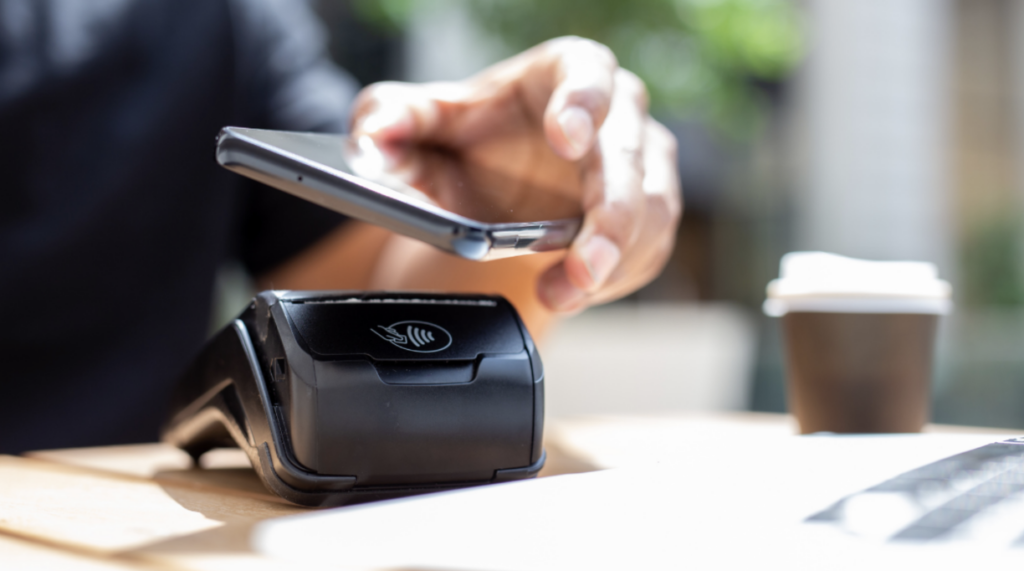
MANILA, Philippines — The Philippines’ transition to a “cash-lite” economy reached a new milestone at the start of the year, with digital transactions via InstaPay and PESONet soaring in both volume and value. Data from the Bangko Sentral ng Pilipinas (BSP) reveals that the combined value of these transactions hit ₱2.58 trillion by the end of January 2026, a 43% increase from the same period last year.
Total transactions reached 688 million, more than tripling (a 329% increase) the 160.2 million recorded in January 2025. The real-time payment system saw a 65% surge in value to ₱1.24 trillion. Transaction volume exploded by 350%, reaching 678 million individual transfers. The clearing house for large-value fund transfers saw a 23.8% increase in value, totaling ₱1.3 trillion across 10.5 million transactions.
Experts attribute this “skyrocketing” growth to several converging factors:
- Mobile Banking & E-Wallets: The wider use of apps like GCash and Maya, alongside traditional bank mobile platforms, has made digital payments a default for many Filipinos.
- E-Commerce Expansion: Small and medium enterprises (MSMEs) are increasingly relying on InstaPay for real-time payments, retail purchases, and ticket payments.
- Remittance Flows: Strong inward remittances are being funneled through digital channels for faster and cheaper distribution.
- Financial Inclusion: Government and BSP initiatives to improve payment infrastructure have successfully reached previously unbanked populations.
While the current pace of growth is considered “explosive,” analysts like John Paolo Rivera of PIDS expect it to normalize as adoption matures. However, double-digit growth is still projected for the foreseeable future as digital payments become a “normal part of daily life.”
The BSP remains on track with its strategic goal to digitalize 60% to 70% of all retail payments by 2028. Despite the surge, the central bank continues to emphasize the need for robust cybersecurity measures to protect consumers against evolving digital risks.