
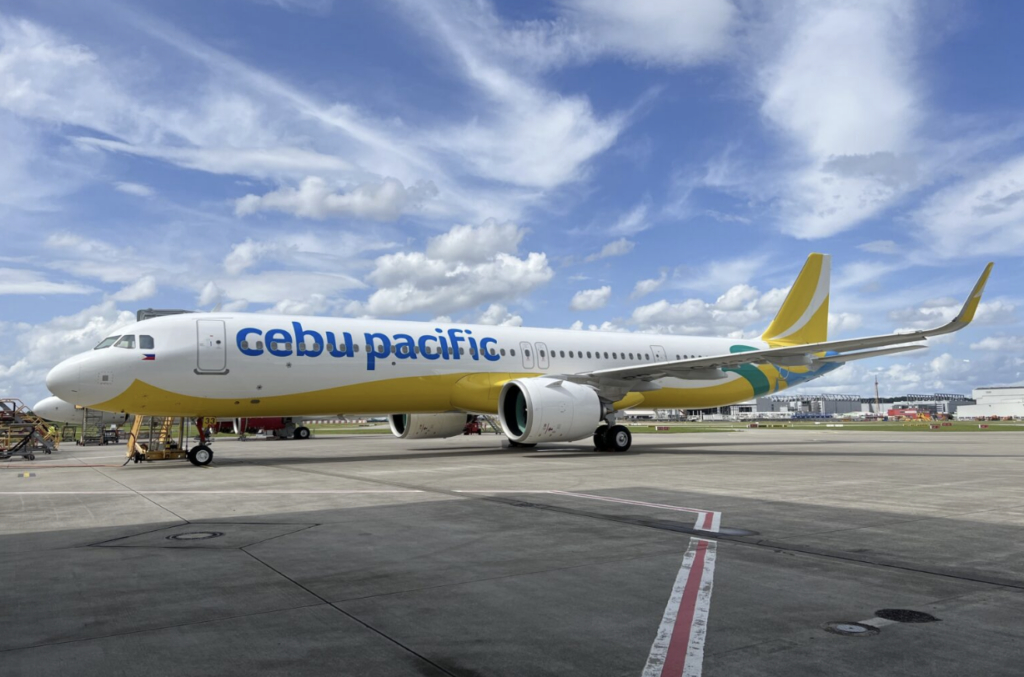
MANILA, Philippines — Rising fuel surcharges and elevated airfares have officially begun taking a toll on budget travel. The Gokongwei-led Cebu Pacific (Cebu Air Inc.) experienced a slowdown in passenger traffic for April 2026, breaking the robust growth momentum it had maintained during the first quarter of the year.
The airline attributed the softening demand directly to necessary fare hikes implemented to combat soaring global jet fuel costs stemming from ongoing geopolitical tensions in the Middle East.
The financial strain on consumer pockets led to noticeable micro-declines across Cebu Pacific’s flight network compared to the same period last year:
- Total Passenger Volume: Slipped by 0.7 percent to 2.27 million passengers (down from 2.29 million in April 2025).
- International Travel Hit: International operations experienced the sharpest decline, dropping 2.3 percent to 602,000 passengers, as travelers balked at pricier long-haul tickets.
- Domestic Travel Flatline: Domestic passenger traffic saw a marginal dip of 0.1 percent to 1.67 million passengers.
- The Seat Load Factor Squeeze: A key metric of passenger capacity utilization, the seat load factor plummeted to 74.4 percent from last year’s robust 83.8 percent. This drop occurred even as the airline expanded its overall seat capacity by 11.9 percent.
The second half of April 2026 forced local airlines to deal with unprecedented fuel expenses, which were inevitably passed on to consumers.
- The Level 19 Peak: The civil aviation board implemented a Level 19 fuel surcharge—the highest level ever recorded in Philippine aviation history—during the latter half of April.
- Surcharge Breakdown: Under Level 19, airlines were permitted to add massive extra fees to baseline tickets:
- Domestic Flights: Up to ₱1,834 in additional charges per passenger.
- International Flights: Up to ₱15,397.15 in additional charges per passenger.
- The Surcharge Jump: This was a massive leap from the Level 8 surcharge enforced during the first half of April, which capped additional domestic fees at ₱787 and international fees at ₱6,208.98.
“In response to fuel price pressures linked to geopolitical tensions, we implemented measured fare adjustments and surcharges across parts of the network… While these were initially absorbed by the market, we subsequently saw signs of demand softening, reflected in slower booking momentum and weaker April load factors.” — Xander Lao, Cebu Pacific President and Chief Commercial Officer
Despite a disappointing April showing, Cebu Pacific’s overall numbers for the first four months of 2026 remain positive due to an exceptionally strong first quarter driven by early school holiday travel.
- Four-Month Cumulative Traffic: Rose 6.2 percent to 9.8 million passengers (up from 9.24 million in the same period in 2025).
- Domestic YTD: Reached 7.26 million passengers, up 6 percent.
- International YTD: Reached 2.55 million passengers, up 6.7 percent.
- Financial Turbulent Skies: The traffic slowdown comes right on the heels of Cebu Pacific reporting a ₱400-million net loss for Q1 2026, weighed down heavily by foreign exchange losses as the peso weakened. Chief Finance Officer Mark Cezar noted that the airline anticipates the second and third quarters to remain similarly loss-making.
To prevent a prolonged drop-off in bookings during the upcoming low travel season, Cebu Pacific management confirmed they have already begun an “iterative and data-driven” approach to stimulate demand. This includes pulling back on extreme fare components and rolling out aggressive new seat sales to win back budget-conscious Filipino flyers.