
One of the biggest concerns is the disruption of energy supplies, particularly through the Strait of Hormuz, a critical shipping route that carries a large share of the world’s oil and natural gas. Any prolonged interruption in this route could sharply reduce global fuel supplies and drive energy prices even higher.
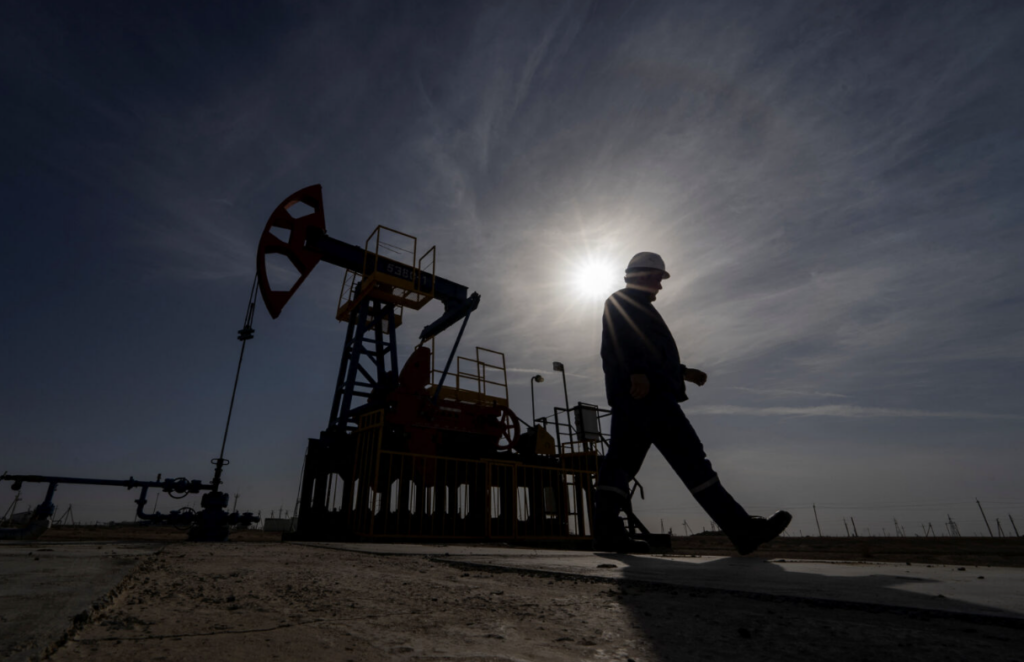
Oil markets have already reacted strongly to the conflict. Crude prices have surged significantly since the war intensified, raising costs for fuel, electricity, transportation, and manufacturing across many countries. Analysts warn that prices could remain elevated if the conflict drags on or damages major oil infrastructure.
Financial markets have also shown signs of stress. Global stock markets have fallen while investors move toward safer assets such as gold, reflecting growing uncertainty about the global economic outlook. Economists say geopolitical tensions are now a major factor shaping investor sentiment.
Beyond energy markets, the conflict threatens global supply chains. Fertilizers, liquefied natural gas, and other key commodities transported through the Gulf region could face disruptions, potentially affecting agriculture and food production in many countries.
For energy-importing nations—particularly in Asia—the economic impact may be more severe. Higher oil prices can increase inflation, weaken currencies, and widen trade deficits as countries spend more on fuel imports.
Economists warn that if the war continues for an extended period, the world could face a combination of rising prices and slower economic growth. Such conditions could delay interest rate cuts by central banks and increase the risk of a broader global economic slowdown.