
MANILA – Global rice prices, which plunged to a six-year low in 2025, have begun a modest rebound as 2026 starts, offering cautious relief for consumers and farmers in the Philippines—a major importer dependent on stable international supplies.
2025: A Year of Sharp Declines
The FAO All Rice Price Index averaged 103.5 points in 2025—down 22.2% year-on-year and the lowest since 2019. The steepest drop hit Indica rice (-26.1% to 106.9 points), the variety most relevant to Philippine imports from Thailand and Vietnam.
Drivers of the 2025 Slump:
- Abundant global supplies increased exporter competition (starting May).
- Lifting of India’s export ban flooded markets.
- Reduced demand from big importers like Indonesia and the Philippines (temporary import restrictions).
- Overall global rice trade expansion in 2024-2025.
Early 2026 Rebound Underway
By December 2025, the FAO index rose 4.3% month-on-month to 101 points (still 15.2% below December 2024). Highlights:
- Glutinous rice surged 16% to 111 points (15-month high), driven by Chinese buying and Thai market sentiment.
- Japonica +3.4%, Aromatic +2.3%, Indica +4.3%—fueled by renewed importer demand.
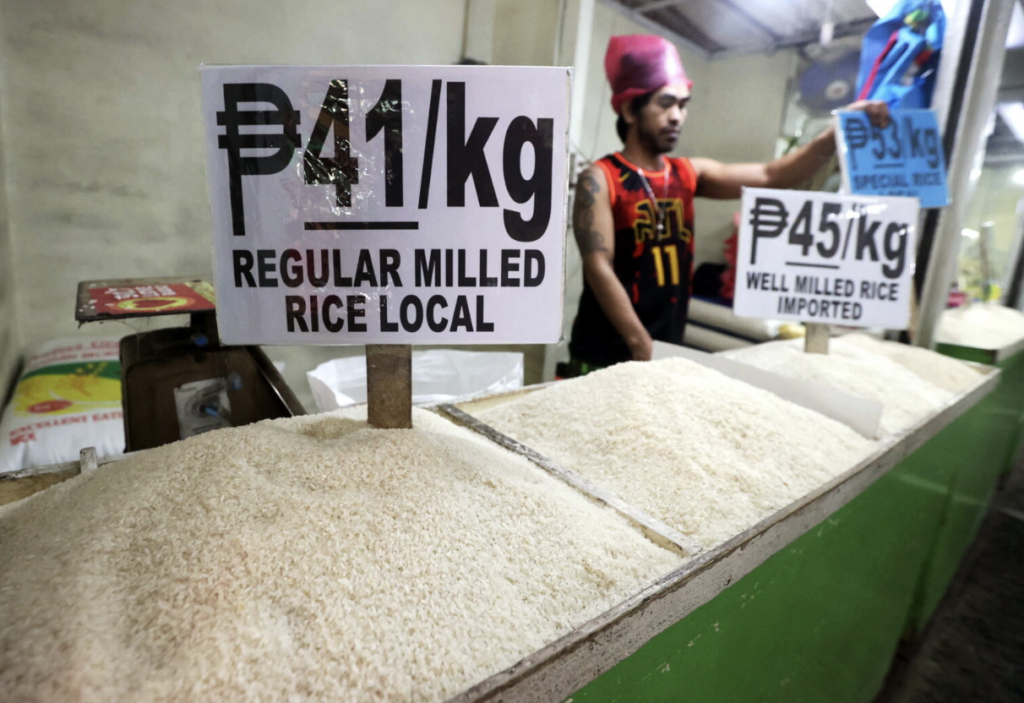
In the Philippines, retail prices stabilized or edged up slightly in early 2026 after hitting multi-year lows in 2025 (e.g., some imported varieties dipped below P40/kg in markets). The rebound aligns with resumed imports and new tariff frameworks starting January 2026.
Price Index Snapshot (FAO Data):
| Category | 2025 Average | Dec 2025 Level | Change (Dec MoM) |
|---|---|---|---|
| All Rice | 103.5 | 101 | +4.3% |
| Indica | 106.9 | 102.7 | +4.3% |
| Glutinous | N/A | 111 | +16% |
A turning point after 2025’s lows—watching if the uptrend sustains amid Philippine import resumption and global supply dynamics.