
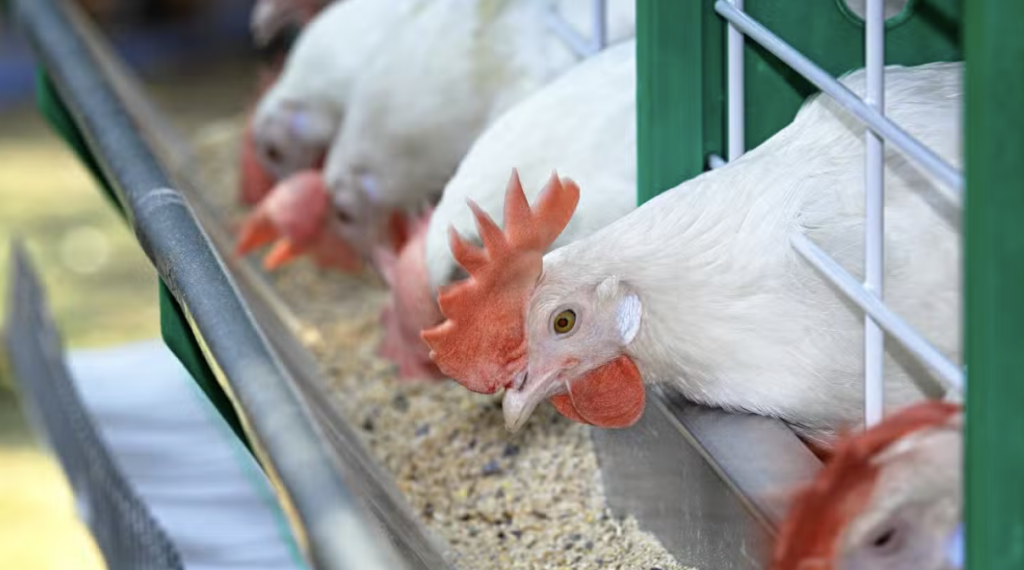
MANILA, Philippines — The domestic food system is bracing for severe disruptions as climate anomalies place extreme pressure on agricultural supply chains. Scenario modeling projects that the Philippine livestock and poultry industries face a staggering ₱7.6 billion to ₱9.9 billion in direct economic losses due to an ongoing Super El Niño event.
Furthermore, when accounting for broader socioeconomic chain impacts—including retail price inflation, supply deficits, and employment shocks—the overall collateral damage to the national economy could skyrocket to between ₱159 billion and ₱205 billion.
According to the Philippine Statistics Authority (PSA), livestock and poultry together account for nearly 30% of total national agricultural output. While normal dry spells strain seasonal harvests, the current “Super” El Niño variant prolongs drought, dramatically spikes ambient temperatures, and alters rainfall patterns.
This creates severe heat stress inside facilities, forcing animals to produce the stress hormone cortisol, which slows growth rates, reduces voluntary feed intake, increases abortion among gestating animals, and spikes mortality—especially in backyard setups lacking evaporative cooling networks.
The prolonged drought conditions and accompanying feed supply disruptions affect various animal sectors differently:
                          [ DIRECT CRITICAL IMPACT BY ANIMAL SECTOR ]
                                               │
         ┌─────────────────────────────────────┴─────────────────────────────────────┐
         ▼                                                                           ▼
   [ HOGS & BROILER CHICKENS ]                                               [ LAYER CHICKENS & DAIRY ]
 • **Hogs:** Face stunting, extended fattening cycles, and higher    • **Layers:** Extreme heat reduces nutrient density and feed intake.
   veterinary costs. Reduced corn harvests trigger severe feed       • Cooperatives in **Batangas** report egg volume drops of up to
   shortages, driving production costs up.                           • **30%**, alongside thinner shells and lower hatchability.
 • **Broilers:** Highly sensitive to heat. Mortality rises up to     • **Cattle & Carabaos:** Dairy groups in **Bukidnon** report milk
   **20%** for smallholders due to poor ventilation. Growth slows,  • yield drops of **20% to 25%** due to forage scarcity. In **Nueva
   and weak immunity increases vulnerability to avian influenza.     • Ecija**, weak carabaos are forcing farmers to abandon animal labor.
The sector’s crisis ripples directly into market prices and employment pools. The report’s scenario data outlines the anticipated stress across primary categories:
| Species | Severe Direct Damage Range | Anticipated Farmgate Price Shift | Projected Employment Shocks |
| Hogs | Highest Overall Core Volume | +10% to +15% | 40,000 to 60,000 jobs at risk |
| Broilers | ₱1.5 Billion to ₱2.0 Billion | +12% to +18% | 30,000 to 40,000 contract positions lost |
| Layers | ₱1.2 Billion to ₱1.5 Billion | +8% to +12% | 20,000 to 25,000 workers displaced |
| Ducks | ₱600 Million to ₱800 Million | +5% to +8% | 10,000 to 15,000 jobs impacted |
Because these systems supply necessary baseline proteins, supply shortfalls will result in compounding financial hits for standard households due to consumer price inflation. Individual market projections indicate multi-billion peso welfare deficits across consumer networks:
- Cattle Beef & Dairy Chains: Facing ₱15 billion to ₱18 billion in household welfare losses.
- Carabao Networks: Projected at ₱8 billion to ₱10 billion in secondary chain damages.
- Goats & Sheep Operations: Experiencing ₱6 billion to ₱8 billion in localized commercial reductions.
To safeguard national food security and insulate vulnerable backyard raisers, Dr. Vega and Dr. Mendoza put forward two immediate structural recommendations:
- Climate-Resilient Water Systems: Fast-track community-level water reservoirs and deploy solar-powered pumping infrastructure directly to farms to ensure stable drinking supplies and power facility cooling mist networks.
- Feed Security Reserves: Establish regional, cooperative-managed buffer stocks for corn and alternative forage to insulate growers from feed supply chain spikes when local harvests falter.