
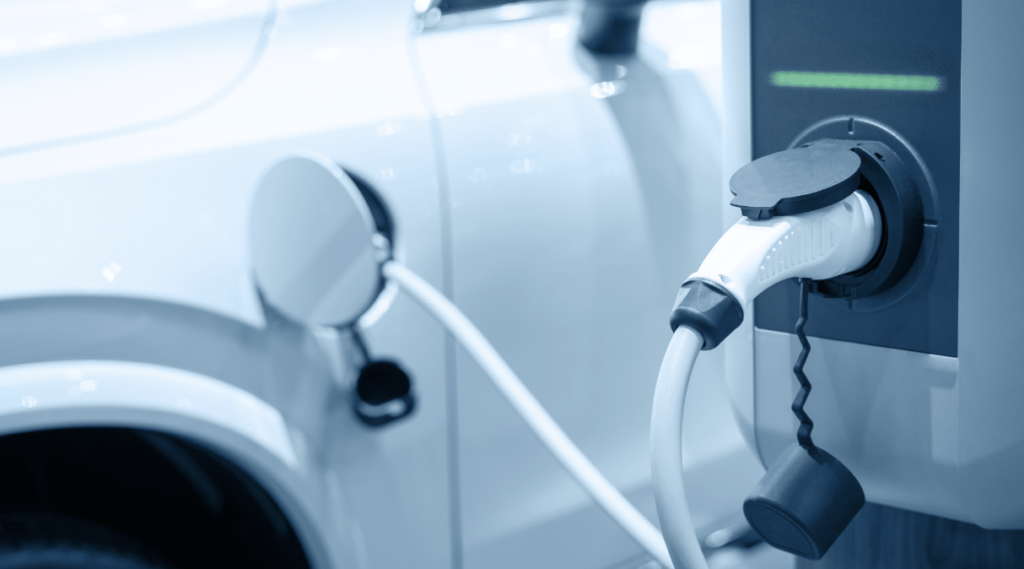
MANILA, Philippines — While the war-driven surge in conventional fuel prices has drastically heightened consumer interest in electric vehicles (EVs), an underdeveloped local grid infrastructure is preventing widespread adoption. A severe deficiency in public charging access remains the single largest bottleneck holding back the domestic transport transition.
Data highlights a substantial gap between localized consumer interest and the physical ecosystem required to support it.
The infrastructure deficit was heavily spotlighted in the 2026 Southeast Asia Automotive Consumer Study published by the global advisory firm Deloitte. The market brief reveals that despite a desire to escape skyrocketing pump prices, a lack of institutional charging infrastructure is fueling massive consumer hesitation:
- The Lack of Public Chargers: Identified by 48 percent of Filipino respondents as their absolute primary concern when considering a battery electric vehicle (BEV).
- Charging Bottlenecks: Closely trailing infrastructure availability, 41 percent of respondents cited excessive charging times as a barrier, while another 41 percent pointed directly to the steep eventual cost of battery replacements.
- The Range Threshold: Around 40 percent expressed severe “range anxiety”—the localized fear that a vehicle will run out of power before reaching a working power node.
                  [ THE EV ADOPTION COMPLIANCE CASCADES ]
                                     │
   ┌─────────────────────────────────┴─────────────────────────────────┐
   ▼                                                                   ▼
[ ECOSYSTEM DEFICIT ]                                       [ THE LIFECYCLE GAP ]
• 48% fear sparse public plug access.                        • 41% are deterred by long charging times.
• 40% experience localized range anxiety.                   • 41% worry about long-term battery swap fees.
“These concerns remind us that electrification is not just about vehicles—it’s about building a resilient ecosystem that thoroughly supports customers throughout their vehicles’ lifecycle.” — Carlo Navarro, Consumer Industry Leader at Deloitte Philippines
According to official baseline metrics compiled by the Department of Energy (DOE) as of the end of April, the country’s macro charging network remains highly centralized and statistically modest:
                         [ ACCREDITED CHARGING PLUGS NATIONWIDE ]
                                            │
         ┌──────────────────────────────────┼──────────────────────────────────┐
         ▼                                  ▼                                  ▼
   [ 781 AC PLUGS ]                   [ 291 DC PLUGS ]                   [ 528 BATTERY STATIONS ]
   Standard Alternating Current       High-velocity Direct Current       Dedicated battery swapping
   units, typically requiring         fast-chargers optimized for        points primarily serving light
   multi-hour dwell times.            commercial transport corridors.    two-wheeled and three-wheeled EVs.
The localized scarcity stands out sharply against a sudden, massive expansion in regional market sales. Driven by the introduction of highly accessible electric models, overall EV sales in the Philippines surged by 36.2 percent in the first quarter, logging 11,800 units even as the broader conventional automotive market contracted by 9.8 percent year-on-year.
Despite infrastructure challenges, the study underscores a steady, growing openness among Filipinos toward electrified mobility, with hybrid models leading the transition away from fossil fuels:
                            [ CURRENT FILIPINO VEHICLE PREFERENCES ]
                                               │
         ┌─────────────────────────────────────┼─────────────────────────────────────┐
         ▼                                     ▼                                     ▼
   [ 62% COMBUSTION ]                    [ 20% HYBRID (HEV) ]                  [ 11% PLUG-IN (PHEV) ]
   Traditional gasoline and diesel       Standard hybrids that generate        Vehicles combining internal
   setups continue to dominate the       power internally without needing      combustion with a plug-in
   local automotive landscape.           public plug infrastructure.           battery backup capacity.
Only a conservative 3 percent of buyers are currently willing to cross directly over into completely battery-powered, pure electric vehicles (BEVs).
While the 62 percent dominance of fossil-fueled cars represents the second-highest reliance on internal combustion vehicles in Southeast Asia—trailing only Malaysia at 65 percent—the private sector is moving quickly to narrow the infrastructure gap. Major real estate and mobility giants like Robinsons Land (RLC) and ACMobility have recently broken ground on an initiative to deploy 500 new public charging stations across commercial centers.
Concurrently, regional automakers like Vietnam’s VinFast are prioritizing localized charging networks over factory footprints to insulate buyers from the grid deficit and build a sustainable lifecycle foundation.