
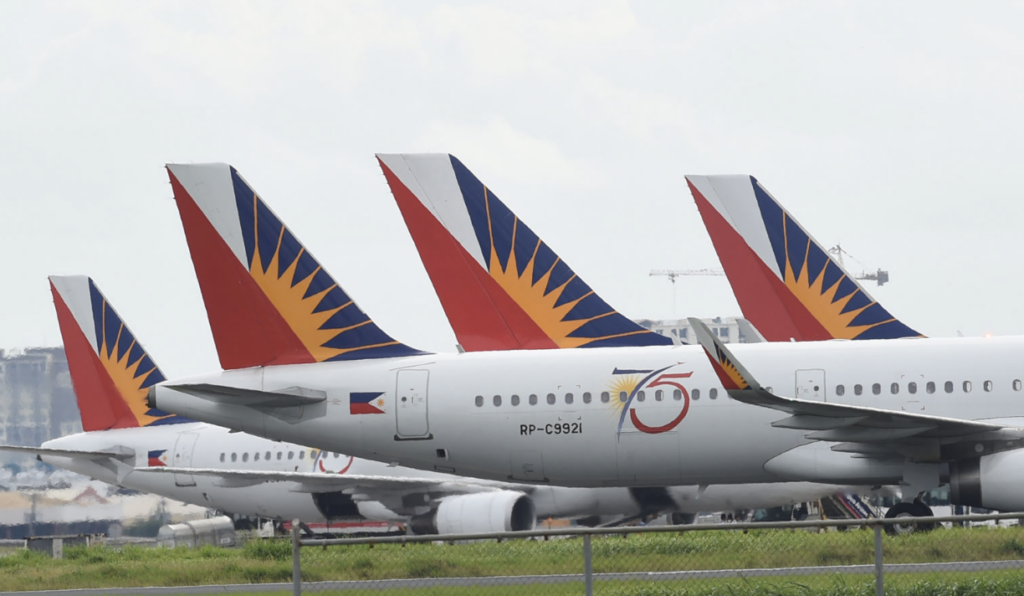
MANILA, Philippines — Despite significant disruptions caused by regional instability and soaring fuel costs, Philippine Airlines (PAL) maintained its profitability in the first quarter of 2026. On Tuesday, April 28, 2026, the flag carrier disclosed a net income of $78.55 million, a 2.6% increase from the same period last year.
The airline’s performance was bolstered by a surge in post-holiday travel demand and resilient cargo yields, even as airspace closures in the Middle East forced major logistical adjustments in late March.
PAL reported growth across all its major revenue streams, supported by an 8.4% increase in total flights operated during the quarter.
- Total Revenues: Reached $895.7 million, up 9.7% year-on-year.
- Passenger Traffic: Surged by 6.1% to 4.3 million passengers, generating $759.65 million in revenue.
- Cargo and Ancillary: Cargo revenues hit $43.21 million, while ancillary services (such as seat upgrades and baggage fees) contributed $83.56 million.
“Our first-quarter results reflect both the strength of demand for Philippine travel and the disciplined execution of our team,” said PAL President Richard Nuttall.
With an extensive network covering Dammam, Doha, Dubai, Kuwait, and Riyadh, PAL was among the local carriers most affected by the wave of airspace closures in March.
- Fuel Pressures: Total operating expenses rose 7.1% to $793.85 million. Flying operations—the largest cost component—jumped 9.2% due to late-quarter fuel price spikes linked to Middle East developments.
- Fleet Expansion: Higher expenses also reflected increased depreciation and amortization costs as the airline continues its fleet modernization and expansion program.
- Network Stability: While some flights were disrupted in March, PAL successfully restarted its Riyadh flights as tensions eased, maintaining its presence in the vital OFW-heavy region.
Despite the positive start to the year, the airline industry faces lingering challenges:
- High Airfares: Industry analysts expect airfares to remain elevated through May 2026, as fuel surcharges stay high despite a recent slight dip in oil prices.
- Economic Headwinds: The record-low Philippine peso and high domestic inflation continue to impact operational costs, particularly for dollar-denominated expenses like jet fuel and aircraft maintenance.
- Diversified Growth: PAL’s management remains focused on leveraging cargo and international long-haul routes to balance out regional volatility.
The flag carrier’s ability to stay in the black during a period of intense geopolitical stress highlights its operational resilience and the continued strength of the “revenge travel” trend among Filipinos and international visitors alike.