
NEW YORK, United States — Global energy markets reacted sharply on Monday, April 27, 2026, as hopes for a diplomatic breakthrough between the United States and Iran faded. Oil prices pushed higher while stock markets showed an uneven performance as investors braced for a high-stakes week featuring central bank meetings and major corporate earnings reports.
The primary driver for the rise in crude prices remains the continued instability in the Middle East, particularly around the Strait of Hormuz.
- Price Movement: Brent crude, the international benchmark, rose to over $108 a barrel.
- Diplomatic Setback: Hopes for negotiations were dampened after U.S. President Donald Trump canceled a planned envoy visit to Islamabad over the weekend, following Iranian Foreign Minister Abbas Araghchi’s visit to Pakistan.
- Hormuz Blockade: The crucial waterway remains largely closed, though reports suggest Iran has proposed a new deal to end the U.S. naval blockade and reopen the strait in exchange for postponing nuclear negotiations.
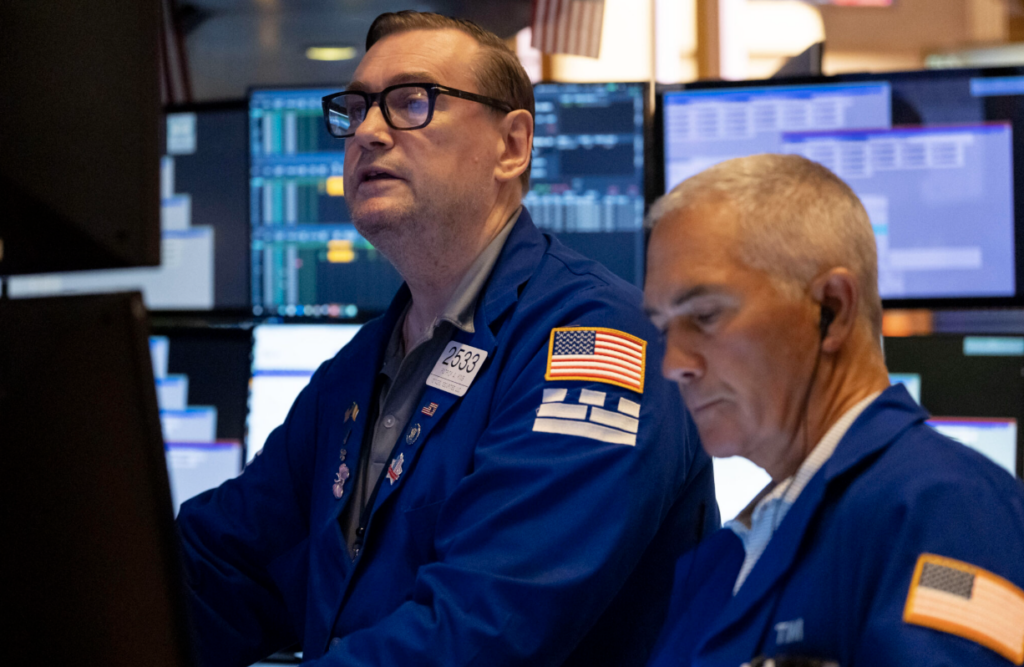
Wall Street saw mixed results as traders weighed geopolitical risks against a strong corporate earnings season.
- Records Set: Both the S&P 500 and the Nasdaq reached new all-time highs, buoyed by tech optimism.
- Dow Retreats: The Dow Jones Industrial Average finished lower, mirroring a similar downward trend in several leading European and Asian indices.
- Wait-and-See: Analysts suggest markets have entered a “wait-and-see” territory as they await critical economic touchpoints later this week.
The high price of energy continues to complicate the global fight against inflation:
- The Fed: The U.S. Federal Reserve is widely expected to keep interest rates unchanged during its Wednesday meeting.
- Global Peers: Similar “hold” decisions are anticipated from the European Central Bank and the Bank of England.
- Big Tech Earnings: The market is bracing for quarterly reports from giants including Apple and Meta Platforms, alongside industrial leaders like Ford and ExxonMobil.
Despite the geopolitical tension, many market analysts remain optimistic about the resilience of the U.S. economy. “The environment is very clear: we are not in a recession,” noted Adam Sarhan of 50 Park Investments, suggesting that strong corporate news flow continues to provide a floor for equity prices. However, experts warn that “higher oil for longer” remains a significant headwind that could eventually force a more hawkish monetary policy shift.