
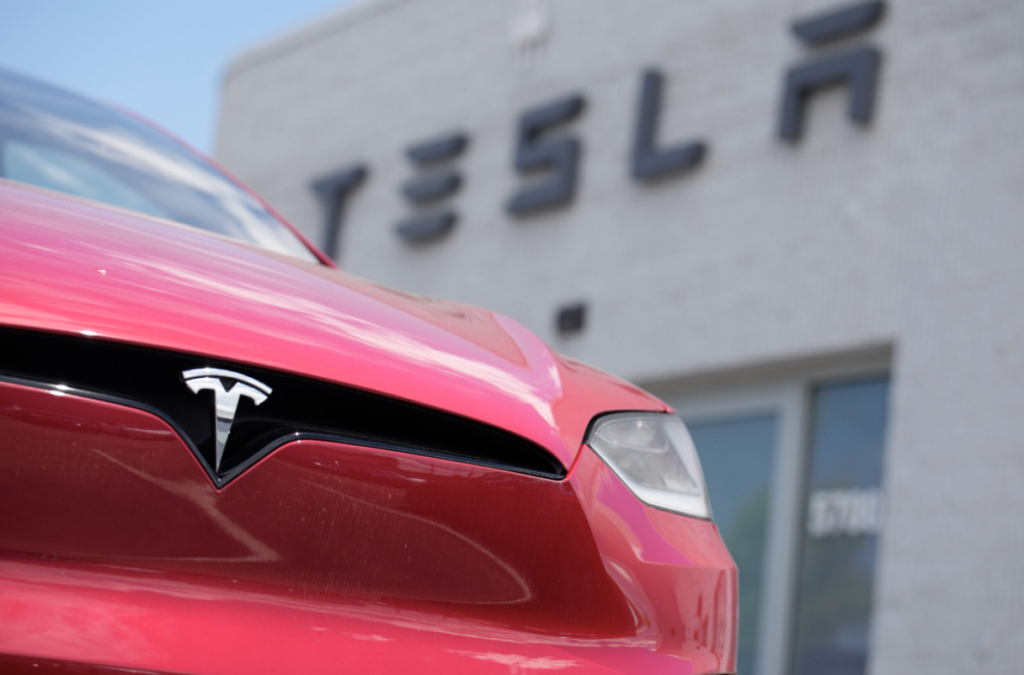
After a turbulent year marked by shifting consumer sentiment and high-profile public debates, Tesla is seeing a significant upswing in its global sales performance.
The electric vehicle (EV) pioneer is reporting a notable recovery in its delivery numbers, signaling a potential turnaround after a “brutal” stretch of market challenges. Industry analysts suggest that despite various boycotts and concerns over the public persona of CEO Elon Musk, the brand’s core product appeal and aggressive pricing strategies are once again resonating with a broader base of car buyers.
The recent surge in Tesla sales comes on the heels of a difficult 2025, where the company faced a rare dip in demand. Critics had pointed to “brand fatigue” and political controversies surrounding Musk as primary drivers for the slowdown. However, the latest data suggests that for many consumers, the practical benefits of Tesla’s infrastructure and technology are outweighing social or political reservations.
“The product remains the star of the show,” noted one automotive market analyst. By implementing strategic price cuts across its most popular models—the Model 3 and Model Y—Tesla has managed to undercut many of its legacy competitors who are still struggling with the high costs of EV production.
A significant portion of this sales growth is attributed to strong performance in the Asian and European markets. While the U.S. market remains the company’s home turf, international demand for sustainable transport is reaching new heights.
In emerging markets, Tesla’s “Supercharger” network remains its most potent competitive advantage. While other manufacturers are still navigating fragmented charging standards, Tesla’s vertically integrated system offers a level of convenience that continues to attract first-time EV buyers who are wary of “range anxiety.”
Despite the rebound, the road ahead isn’t without obstacles. Tesla is facing unprecedented competition from both established luxury brands and rapid-growth EV manufacturers in China. Brands like BYD and various European marques are flooding the market with diverse options, challenging Tesla’s long-held dominance in the mid-range EV segment.
To stay ahead, Tesla is reportedly accelerating the development of its “Next-Gen” platform—a more affordable electric car designed to capture the mass market. If successful, this could silence critics who argue that the brand has hit a “ceiling” with its current lineup.
As the company moves into the second quarter of 2026, the focus remains on production efficiency and software innovation. Tesla’s ability to bounce back from a year of boycotts and negative press demonstrates a resilient brand loyalty that few other tech or automotive companies can claim.
For investors and enthusiasts alike, the message is clear: while the headlines surrounding the CEO may be volatile, the demand for the vehicles themselves shows no signs of slowing down.