
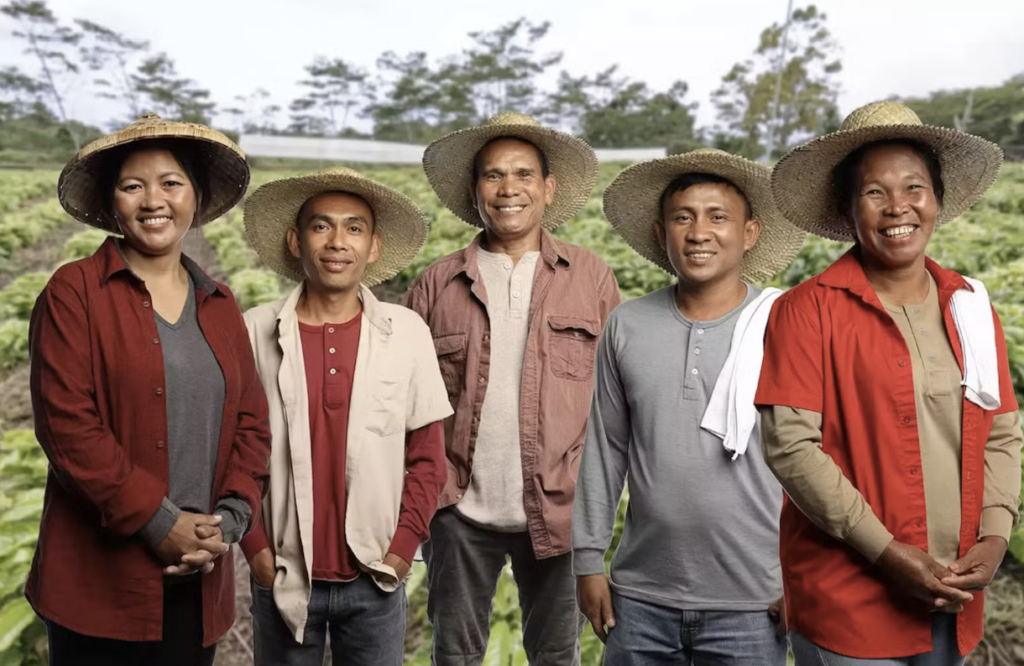
MANILA, Philippines — To address a chronic local raw material shortage, Nestle Philippines is aggressively ramping up its agricultural training initiatives to boost domestic coffee production. The country’s largest coffee manufacturer has expanded its strategic partnership with the Technical Education and Skills Development Authority (TESDA) to upskill Filipino smallholder farmers and elevate post-harvest processing systems.
The domestic shortfall remains a significant hurdle for the consumer goods giant, which currently sources only about 20 percent (one-fifth) of its coffee beans locally for its flagship Nescafé products, relying heavily on imports from major regional producers like Vietnam and Indonesia to satisfy the country’s massive demand.
Building upon a joint training framework first launched in 2021, the expanded Nestle-TESDA collaboration seeks to address systemic limitations in the local agricultural supply chain through targeted economic and technical interventions:
- Modern Agronomy: Training smallholder communities on modern farming technologies and sustainable, climate-smart agricultural practices.
- Value-Added Systems: Providing comprehensive technical training on post-harvest activities, including bean drying, hulling, and precise quality grading.
- Supply Optimization: Enhancing logistics, distribution pathways, and direct fertilizer access, while fostering tighter coordination between industry players and municipal local government units.
The initial phases of the program will continue to heavily target key farming communities in Bukidnon and Sultan Kudarat, two Mindanao provinces that collectively generate roughly 80 percent of the Philippines’ total coffee output.
The production crunch extends far beyond corporate supply chains. Data highlights a stark disparity between domestic consumption and production:
- The Domestic Gap: Overall, the Philippines is capable of supplying only about 40 percent of its nationwide domestic coffee requirements.
- Production Metrics: According to the Philippine Statistics Authority (PSA), local green coffee bean production reached 35,650 metric tons in 2025, marking an 11.5 percent improvement from the 31,980 metric tons harvested the previous year.
While the country features excellent soil profiles and optimal tropical climates for cultivating high-grade Robusta and Arabica varieties, smallholder yields have historically been suppressed due to an absolute lack of access to advanced equipment, institutional credit, and processing equipment.
Nestle’s field data reveals that institutional upskilling yields drastic, measurable field results. Over the past five years, the multinational company has successfully trained more than 13,000 Filipino coffee farmers in core regenerative agriculture methodologies, including composting, soil health management, intercropping, and agroforestry.
“Our partnership with TESDA allows us to contribute not only to the improvement of coffee farming practices but also to the long-term resilience of farming communities… Farmers who engage in value-added activities such as drying, hulling, and quality grading achieve significantly higher returns.” — Joey Uy III, Senior Vice President and Head of Corporate Affairs at Nestle Philippines
Through these agronomic interventions, participating smallholder farms have successfully raised their standard crop yields from a historical average of roughly 300 kilograms per hectare to between 900 kilograms and one metric ton. Select high-performing localized farms have even recorded optimal yields peaking at up to two metric tons per hectare.
Looking ahead, the collaboration between Nestle and TESDA is slated to diversify into secondary economic development programs. The organizations are currently drafting guidelines to launch dedicated entrepreneurship training programs for neighborhood sari-sari store owners, deploying green technical-vocational education modules, and expanding online learning access via the customized e-TESDA digital portal.