
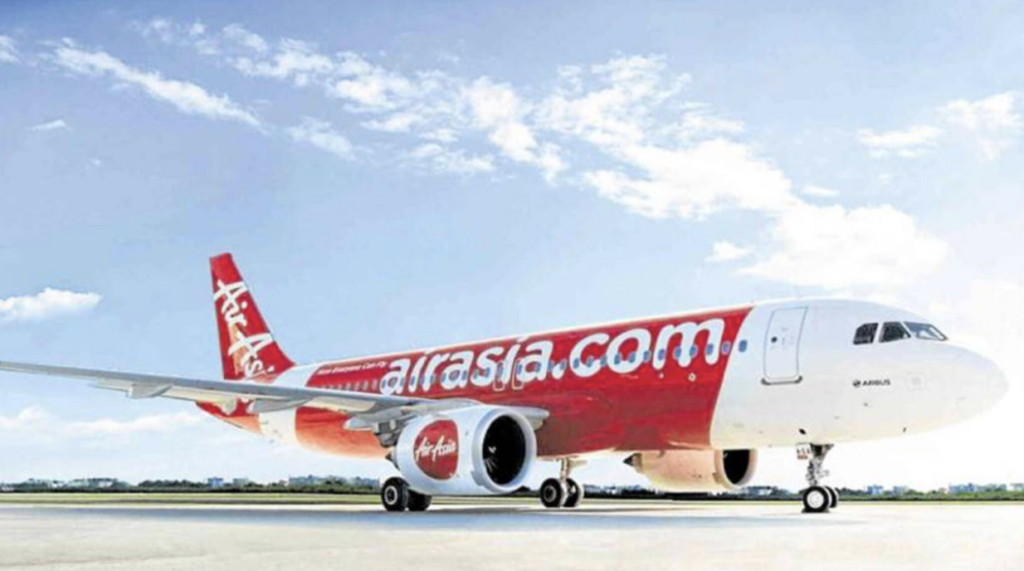
MANILA, Philippines — AirAsia Philippines is pinning its hopes on a significant recovery in the second half of 2026, following a challenging first semester marked by high fuel costs and fleet maintenance bottlenecks on April 28, 2026, the low-cost carrier (LCC) is expecting a surge in international travel and increased fleet availability to drive a return to profitability.
Despite a sluggish start to the year, the airline remains optimistic that the “revenge travel” phenomenon, particularly in the North Asian market, will provide the necessary tailwinds for an H2 turnaround.
AirAsia Philippines CEO Ricky Isla outlined the airline’s roadmap to recovery, focusing on three strategic pillars:
- Fleet Restoration: The airline is working to bring back more aircraft into active service after scheduled maintenance and spare part delays hampered operations in Q1. By H2, the carrier expects its operational fleet to be at near-full capacity.
- Network Expansion: AirAsia is doubling down on high-demand international routes, specifically targeting Japan, South Korea, and China. The airline plans to increase frequencies to Tokyo, Seoul, and Shanghai to capture the year-end holiday surge.
- Ancillary Revenue Boost: To offset volatile fuel prices, the LCC is intensifying its focus on non-seat revenue, including baggage fees, in-flight meals, and travel insurance, integrated through the AirAsia MOVE (formerly airasia Superapp) ecosystem.
The airline’s cautious optimism comes as the industry grapples with external pressures:
- Jet Fuel Volatility: With global crude prices recently spiking to over $110 per barrel, fuel surcharges remain a critical tool for the airline to manage operational costs.
- Peso Depreciation: The peso hitting a record low of 61.42 per dollar has increased the cost of dollar-denominated expenses, such as aircraft leases and international airport fees.
- Competitive Landscape: The airline continues to engage in aggressive pricing wars with local rivals Cebu Pacific and Philippine Airlines, particularly on key domestic trunk routes like Cebu and Davao.
The carrier is betting heavily on the Philippine “Ber” months (September to December), which traditionally see the highest volume of domestic and international travel.
- OFW Traffic: AirAsia expects a massive influx of Overseas Filipino Workers (OFWs) returning for the Christmas season, particularly from hubs in Southeast Asia.
- Regional Tourism: With the Philippine government’s continued push for regional tourism, the airline is eyeing increased bookings for Boracay and Palawan during the year-end break.
“We’ve faced some turbulence in the first half due to factors beyond our control, but the demand for affordable air travel remains incredibly resilient,” Isla noted. “Our focus now is ensuring every available aircraft is in the sky to meet the peak demand we anticipate starting this July.”