MANILA, Philippines — Inflation in the Philippines likely accelerated to a over a two-year high in April, fueled by a relentless surge in energy prices and the secondary impact of high logistics costs on food items.
The consensus forecast for April 2026 inflation stands at 5.4 percent, with some estimates reaching as high as 5.7 percent. If realized, this would surpass the 4.9 percent recorded in March and mark the fastest pace of price increases since the post-pandemic surge of late 2023.
The primary driver remains the “state of national energy emergency” triggered by the conflict in the Middle East. With diesel prices peaking at ₱140 per liter in April, the transport and electricity sectors have seen significant upward adjustments:
- Transport Costs: Fare hikes in the shipping sector (capped at 30%) and rising costs for land-based logistics have been passed directly to consumers.
- Utility Rates: Households are bracing for higher electricity bills as fuel-dependent power plants pass through increased generation costs.
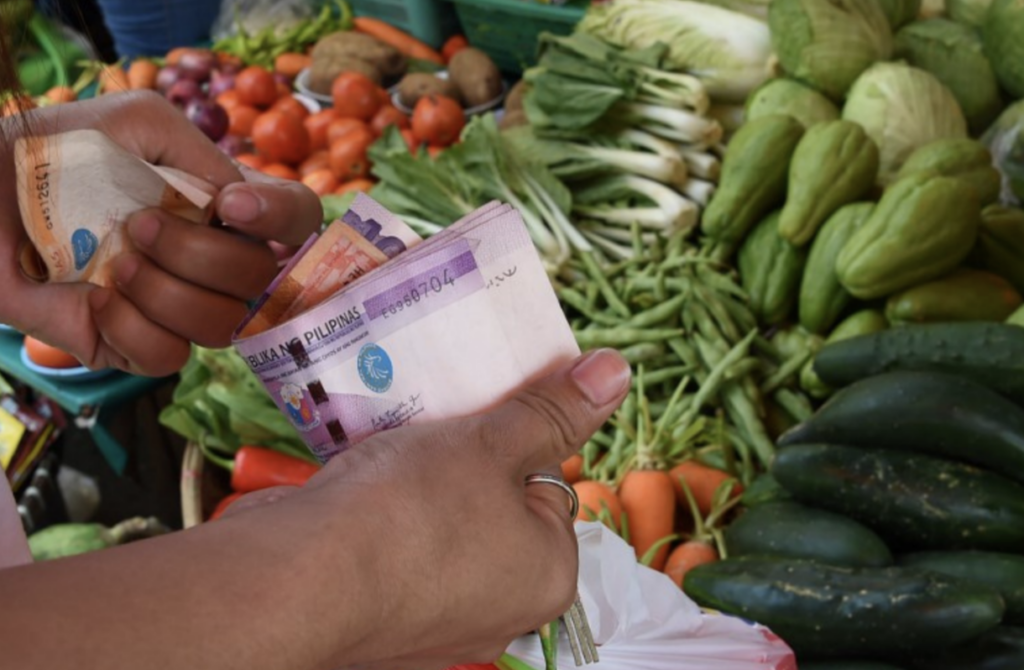
Beyond fuel, food inflation has become a major concern. The poll highlights that the cost of basic commodities—particularly fish, vegetables, and meat—has risen as traders and retailers factor in the increased cost of bringing produce from provinces to urban centers like Metro Manila.
“We are seeing a classic cost-push inflation scenario,” said one senior economist from a leading local bank. “Even with a potential de-escalation in the Middle East signaled by the U.S. toward the end of April, the ‘lag effect’ of high fuel prices is now deeply embedded in the supply chain.”
The Bangko Sentral ng Pilipinas (BSP) is now under intense pressure to react. While the government has implemented temporary measures like fuel subsidies for fishers and the suspension of excise taxes, the “sizzling” inflation print may force the central bank to consider a more aggressive interest rate hike in its next policy meeting to anchor inflation expectations.
For the average Filipino household, the 5.4 percent forecast translates to a significant erosion of purchasing power. The data suggests that lower-income families are bearing the brunt of the crisis, as a larger portion of their budget is dedicated to the two most volatile categories: food and energy.
The official April inflation data is scheduled to be released by the Philippine Statistics Authority (PSA) on May 5, 2026.