
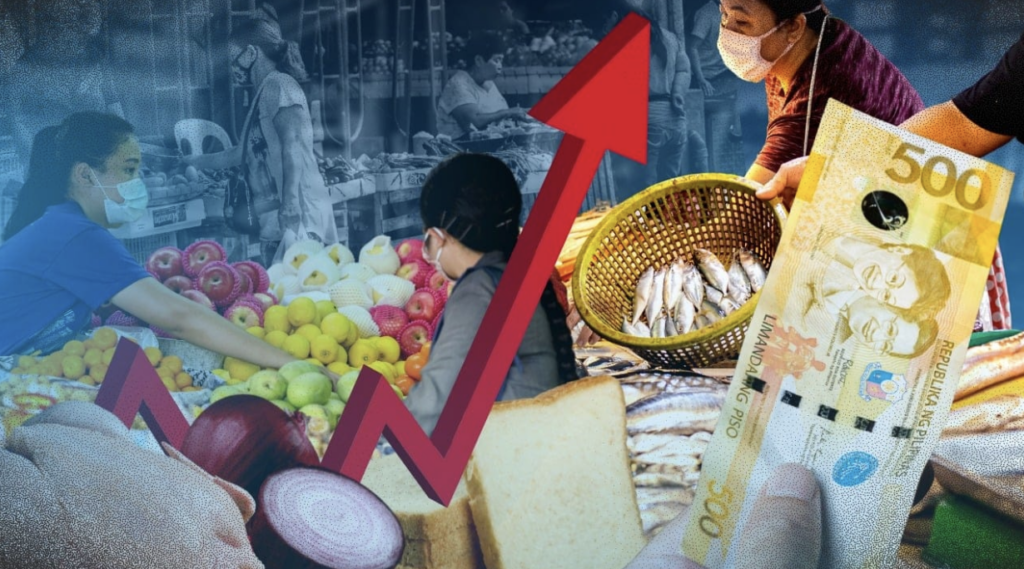
MANILA, Philippines — The daily struggle for many Filipino families grew even heavier this April as the country’s inflation rate surged to a staggering 7.2 percent. According to the latest data from the Philippine Statistics Authority (PSA), this sudden spike—up from 4.1 percent in March—marks the fastest pace of price increases the nation has seen since early 2023.
The primary culprit behind the jump is a “persistent oil shock” triggered by ongoing global tensions. As a country heavily reliant on imported fuel, the Philippines is feeling the direct hit at the gas pump and the dinner table.
The ripple effect of expensive fuel is being felt across almost every sector of the economy:
- Transport Turmoil: This sector saw the most dramatic increase, with transport inflation skyrocketing to 21.4 percent. Motorists and commuters are bearing the brunt as gasoline and diesel prices reached record levels during the first half of the month.
- The Food Basket: Feeding a family is getting harder. Food inflation climbed to 6.0 percent, driven by the high costs of transporting goods and the rising price of fertilizers—another casualty of the global energy crisis.
- Utility Bills: Filipino households are also seeing higher monthly statements for housing, water, and electricity, which grew by over 8 percent in April.
Adding fuel to the fire is the Philippine Peso’s struggle against the US Dollar. With the currency hitting record lows near the P62 mark, the cost of importing essential goods has become even more expensive, further stripping away the purchasing power of the average consumer.
The Bangko Sentral ng Pilipinas (BSP) has signaled it remains “vigilant” and ready to act. Economists are already bracing for more interest rate hikes as the central bank tries to reel in these runaway prices.
While some temporary relief in oil prices appeared late in April, experts warn that the road to recovery remains steep. For now, the government is focusing on “targeted support”—trying to provide a safety net for the most vulnerable sectors, such as farmers and transport workers, who are currently standing on the front lines of this economic storm.