
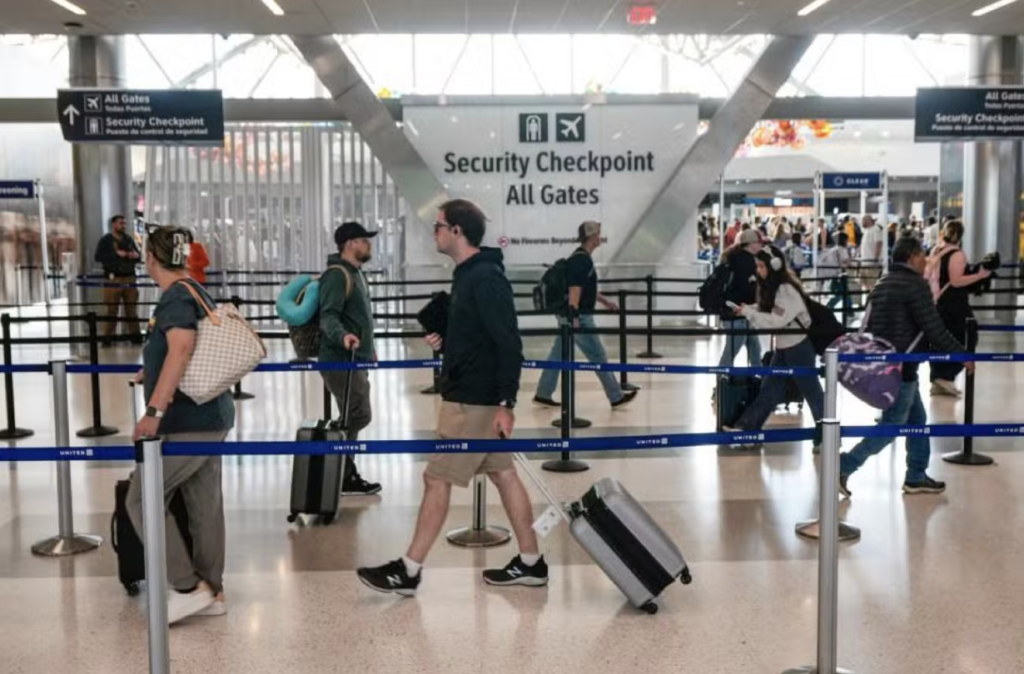
HOUSTON, United States — As the ongoing war in the Middle East severely strains global jet fuel supplies, airlines are preemptively canceling thousands of flights to manage surging operational costs. While these cancellations are often announced days or weeks in advance, they present a significant challenge for travelers heading into the busy summer season.
With major events like the World Cup on the horizon, experts warn that the aviation system is under immense pressure. Here is what you need to know to protect your rights and minimize travel headaches.
Passenger protections vary significantly by region. Knowing the local laws of your departure point is essential:
- European Union & UK: These regions offer the strongest protections. Under the “duty of care,” airlines must provide support (meals, communication, and rebooking) regardless of the reason for the cancellation. If a flight is canceled within 14 days of departure, you may also be entitled to financial compensation unless the airline can prove “extraordinary circumstances.”
- United States: If your flight is canceled and you choose not to take an alternative, you are entitled to a full cash refund for the airfare and any unused extras (like baggage fees), regardless of the reason for the cancellation.
- Montreal Convention: This international treaty governs airline liability for more than 140 countries, primarily focusing on damages resulting from delays or lost luggage.
If you receive a cancellation notice, speed is of the essence:
- Use the App: For many carriers, especially in the U.S., the airline’s mobile app is the fastest way to secure a new seat without waiting on hold for hours.
- Explore Multiple Channels: If the app fails, try the customer service line, the airport desk, and even the airline’s social media accounts simultaneously.
- Check Nearby Airports: Sometimes a flight to a city two hours away from your destination is better than waiting three days for the next direct flight.
- Documentation: Keep everything. Save boarding passes, receipts for meals or hotels, cancellation emails, and even screenshots of the app’s status updates.
To stay ahead of fuel-related disruptions, travel security experts suggest several preemptive measures:
- Book Morning Flights: If a morning flight is canceled, you have the rest of the day to find an alternative. If an evening flight is canceled, you are likely stuck overnight.
- Direct Booking: It is significantly easier to resolve issues when you book directly with the airline rather than through third-party travel sites.
- Use Tracking Tools: Apps like Flighty often notify passengers of delays or cancellations before the airlines themselves send out official alerts.
- Stay Calm: While frustrating, being respectful to airline agents can often lead to better rebooking outcomes, as they have the discretion to find creative solutions.
Airlines may cite high fuel costs or shortages as an “extraordinary circumstance” to avoid paying compensation. However, consumer advocates like Eric Napoli of AirHelp argue that fuel management is part of an airline’s operational risk and should not automatically waive a traveler’s right to compensation, particularly in the EU.
As the industry looks for relief ahead of the summer season, travelers are encouraged to remain vigilant, document all communications, and know their refund rights before they head to the gate.