
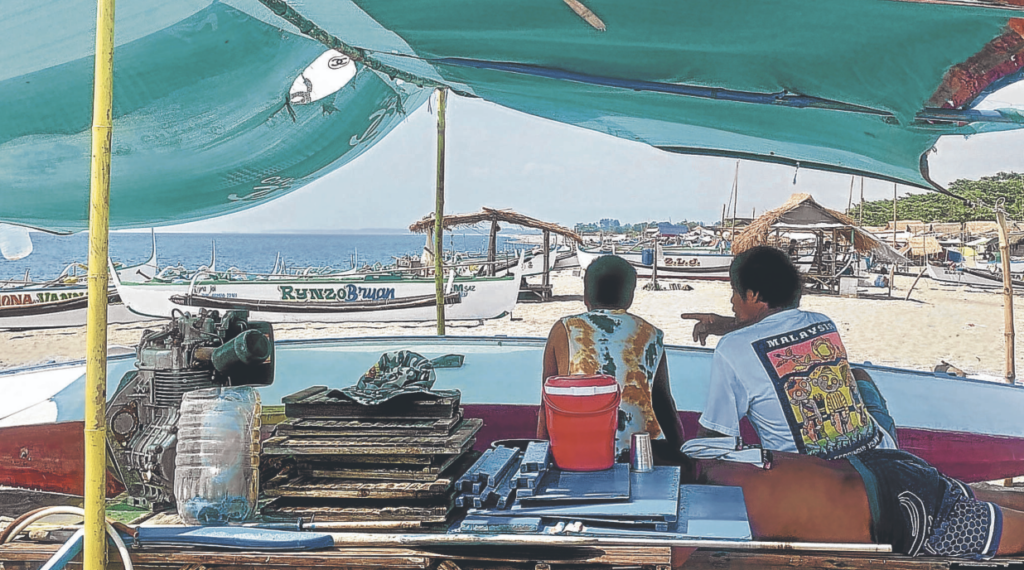
MANILA, Philippines — After more than 20 years of negotiations, the World Trade Organization (WTO) has finalized a landmark agreement aimed at curbing harmful fisheries subsidies. This deal, the first of its kind to put environmental sustainability at the center of international trade, prohibits government financial support for activities that lead to the overexploitation of global seafood stocks.
To date, 119 member countries have accepted the agreement, including the Philippines, which officially joined in 2024. The accord is seen as vital for protecting the livelihoods of over 260 million people worldwide who depend on fishing.
The agreement specifically targets the most damaging forms of financial assistance:
- IUU Fishing: Subsidies for illegal, unreported, and unregulated (IUU) fishing are strictly banned.
- Overfished Stocks: Financial support for fishing stocks that are already in a state of depletion is prohibited.
- Unregulated High Seas: Subsidies for fishing in waters outside the jurisdiction of any national or regional management organization are barred.
- Unknown Stock Status: Members must exercise “due restraint” when subsidizing activities where the health of the fish population is unknown.
The fisheries sector remains a pillar of the Philippine economy, contributing roughly 7.9 percent to the national GDP in 2025.
- Level Playing Field: Agriculture Undersecretary Asis Perez noted that the deal helps the Philippines compete fairly. Highly subsidized foreign fleets often outcompete local fisherfolk; removing these subsidies allows efficient, independent local fleets to thrive.
- Protecting Migratory Species: For species like tuna—the country’s top fishery export—international regulation is crucial because fish do not recognize national borders.
- Economic Shift: In 2025, Philippine tuna exports were valued at $441.64 million, a 14.2% drop from the previous year. The government hopes the deal will help rebuild these stocks and stabilize the industry.
While hailed as a “historic” achievement, the deal faces significant pushback from grassroots organizations:
- Small-Scale Fisherfolk: Groups like Pambansang Lakas ng Kilusang Mamamalakaya ng Pilipinas (PAMALAKAYA) argue that the deal focuses on trade rather than the needs of traditional fishers. They fear it may inadvertently strip minimal support from small-scale fishers while allowing industrial fleets to continue their dominance.
- Exclusion of Voices: Critics argue that the WTO is not the appropriate venue for environmental policy, suggesting that the UN’s Food and Agriculture Organization (FAO) would be a more inclusive forum for traditional fishers.
The current agreement is only the beginning. Under Article 12, the WTO has a four-year window to adopt more comprehensive disciplines or the accord will lapse.
- Overcapacity and Overfishing: The next phase of negotiations will focus on “overcapacity”—the ability of a fleet to fish at levels exceeding sustainable limits.
- Measuring Success: Setting the parameters for what constitutes overcapacity remains a major hurdle for the next Ministerial Conference.
- Urgency: With $22 billion in harmful subsidies currently distributed globally every year, and IUU fishing causing $50 billion in annual economic losses, the pressure to finalize the second phase is intense.
“In summary, these prohibitions are structured to enhance the sustainability of fishing practices… and ensure long-term viability for the fisheries sector,” said WTO Deputy Director-General Jennifer Nordquist.