
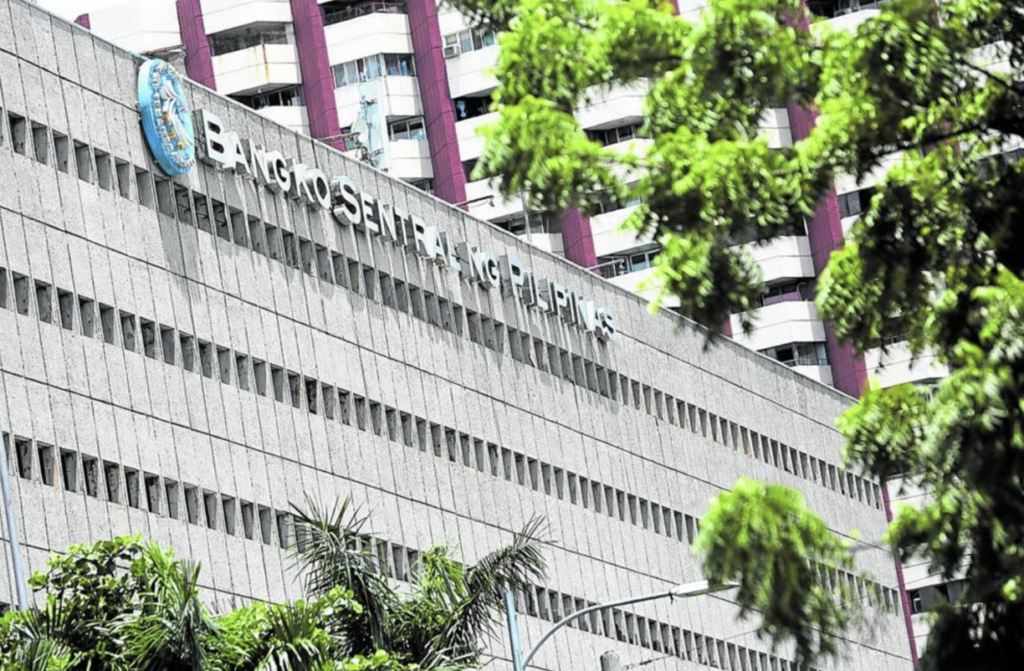
The Bangko Sentral ng Pilipinas (BSP) has issued a new directive requiring all BSP-supervised financial institutions (BSFIs) to perform comprehensive self-assessments of their cybersecurity frameworks. This move aims to fortify the country’s financial system against the increasing sophistication of digital threats and cyber-attacks.
Under the new guidelines, banks and other financial entities are mandated to evaluate their existing security controls, identifying potential vulnerabilities in their digital infrastructure. The central bank emphasized that these self-checks are not merely procedural but are critical for ensuring that institutions can effectively respond to and recover from cyber incidents.
The BSP highlighted that the results of these assessments must be documented and integrated into the institutions’ overall risk management strategies. By requiring regular internal reviews, the regulator hopes to foster a proactive culture of security rather than a reactive one, ensuring that financial firms stay ahead of evolving cybercriminal tactics.
Furthermore, the central bank noted that these evaluations should cover various aspects of digital operations, including data privacy, system integrity, and the security of third-party service providers. The directive underscores the importance of board-level oversight, tasking senior management with the responsibility of reviewing the findings and implementing necessary upgrades.
This regulatory step comes as digital transactions continue to rise across the Philippines, making the banking sector a primary target for fraud and data breaches. Through these mandatory self-checks, the BSP seeks to maintain public trust in the digital banking ecosystem and safeguard the stability of the national economy.