
The ongoing conflict in the Middle East is rapidly evolving from a regional military crisis into a major global economic disruption, with far-reaching consequences for energy markets, supply chains, and financial stability.
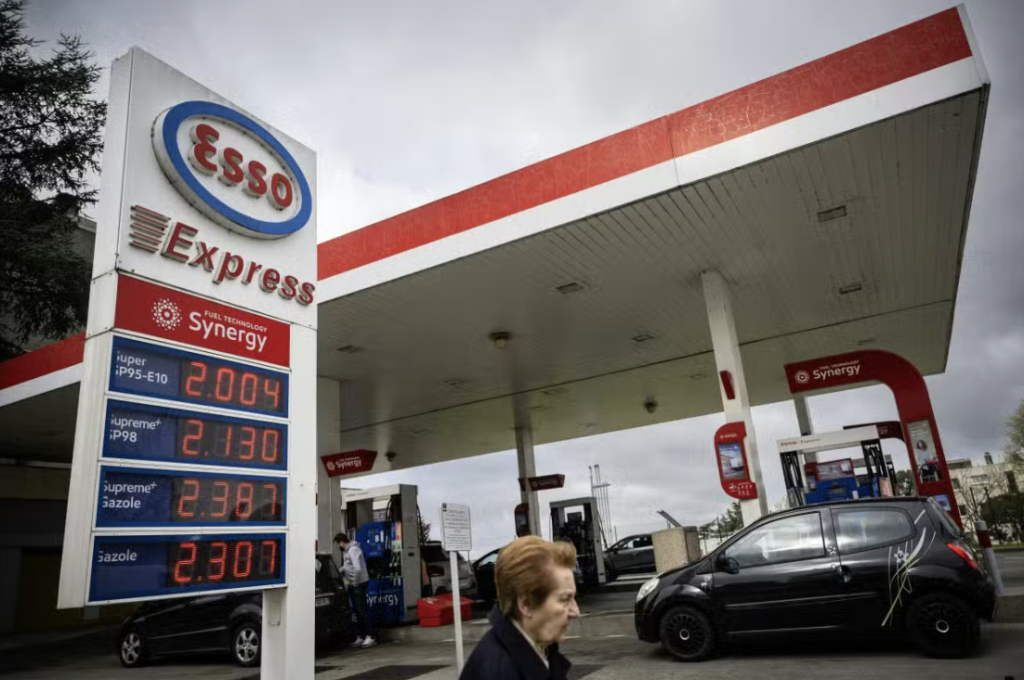
At the center of the economic turmoil is the disruption of oil flows, particularly through the strategic Strait of Hormuz—one of the world’s most critical energy transit routes. With tensions escalating and shipping activity restricted, global oil supply has tightened significantly, driving fuel prices sharply higher and putting pressure on economies worldwide.
Energy Crisis Fuels Inflation
The surge in oil prices is already feeding into higher costs for transportation, manufacturing, and basic goods. Economists warn that this could lead to prolonged inflation across multiple regions, especially in countries heavily dependent on imported energy.
Energy-importing nations in Asia and Europe are among the most vulnerable. Rising fuel costs are not only affecting consumers but also increasing production expenses for industries, from agriculture to aviation.
In some cases, shortages of key resources such as fertilizers, industrial gases, and raw materials are beginning to emerge, further complicating economic recovery efforts.
Supply Chains Under Pressure
Beyond energy, the conflict is disrupting global supply chains. Key commodities transported through the region—including oil, gas, and industrial inputs—are facing delays and price volatility.
Industries reliant on these materials, such as electronics, construction, and food production, are expected to feel the impact in the coming months. Analysts note that even short-term disruptions can leave long-lasting “scars” on global supply networks, potentially keeping prices elevated for years.
Risk of Global Recession
With inflation rising and economic growth slowing, economists are increasingly warning of a possible global recession. A prolonged conflict could push the world into a scenario similar to the 1970s oil crisis—marked by “stagflation,” where high inflation coincides with weak economic growth.
Financial markets have already shown signs of instability, with fluctuations in stock indices and investor sentiment reflecting uncertainty over how long the conflict will last and how severe its economic impact will be.
Uneven Global Impact
While many countries face economic strain, some energy-producing nations may benefit from higher oil prices. Countries with strong domestic energy production could see increased revenues, partially offsetting the global downturn.
However, for developing and import-dependent economies, the situation is far more concerning. Rising fuel prices, combined with weakened currencies and limited fiscal space, could intensify economic hardship and slow development progress.
Philippines and Other Vulnerable Economies
Countries like the Philippines—highly dependent on imported oil—are particularly exposed. Disruptions in global supply can quickly translate into higher fuel prices, transportation costs, and inflation at the local level.
The situation highlights how geopolitical conflicts, even those occurring far from Southeast Asia, can have immediate and tangible effects on everyday life, from commuting expenses to food prices.
Global Response and Uncertainty Ahead
In response to the growing crisis, major international institutions such as the International Monetary Fund, World Bank, and International Energy Agency are coordinating efforts to stabilize markets and support affected economies.
Despite these measures, uncertainty remains high. The trajectory of the global economy now depends heavily on how long the conflict persists and whether critical trade routes can be secured.
For now, the world faces a delicate balancing act—managing inflation, maintaining growth, and navigating one of the most significant energy shocks in recent history.