BAGUIO CITY, Philippines — The Summer Capital is formalizing its long-standing culture of thrift and repurposing through “Pansa-nopen,” a new eco-friendly urban lifestyle and solid waste management policy under Ordinance No. 15, series of 2026. The initiative, named after the Ibaloy term for “coming together for a shared purpose,” aims to address the city’s mounting waste crisis by transitioning toward a circular economy.
Mayor Benjamin Magalong recently pivoted away from waste-to-energy proposals, instead advocating for a zero-waste strategy rooted in recycling, reduced consumption, and local traditions of sustainability.
Baguio’s recycling roots are deep, tracing back to the 1970s “PX” trade at the former John Hay Air Station.
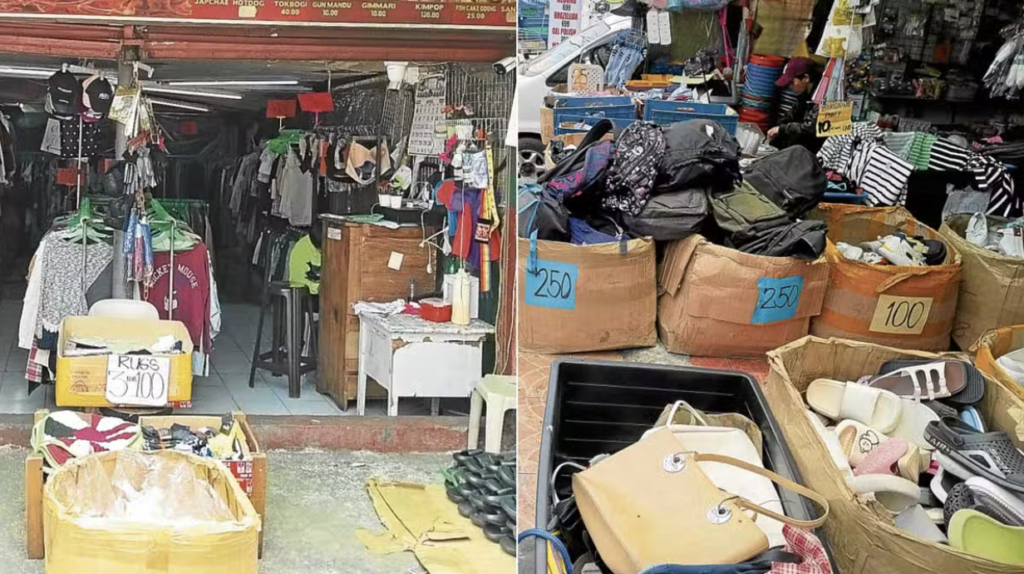
- The “Ukay-ukay” Legacy: Long before it became a national trend, Baguio popularized the wagwagan (thrift store) culture. This practice of reselling secondhand garments has evolved from a niche garage sale into a sustainable fashion alternative favored by Gen Z.
- Repurposing Habits: City Planning Officer Donna Tabangin noted that Baguio households have a cultural habit of reusing containers (e.g., biscuit tins and ice cream tubs) as storage or rainwater collectors.
- Indigenous Influence: The policy draws inspiration from the Ibaloy tradition of maximizing resources, such as using every part of the ava (taro) plant, as practiced in the Happy Hallow ancestral domain.
Despite its traditions, overdevelopment and rapid population growth have put a strain on the city’s resources:
- The Financial Burden: Baguio currently spends approximately ₱200 million annually to transport waste to landfills outside the city—a cost officials have dubbed “expensive waste.”
- Rising Tonnage: Daily waste production is projected to rise from 593 tons in 2023 to nearly 600 tons by 2032.
- The Potential: A 2022 study revealed that 65.9 percent of the city’s waste is either recyclable (30%) or biodegradable (35.9%), representing a massive opportunity for diversion and reuse.
In partnership with the United Nations Development Programme (UNDP) and the European Union, Baguio is piloting a “circular tourism” model:
- Industry Shift: Hotels are being urged to replace single-use plastic sachets with refillable containers, despite some initial resistance over costs.
- Farm-to-Table: Restaurants are encouraged to source organic ingredients from local gardens, such as those in Happy Hallow, to reduce the carbon footprint of food supply chains.
- Early Education: The city is integrating circular economy principles into school curricula to teach children sustainability from a young age.
- Infrastructure: To support the shift, individual barangays are being equipped with their own recycling facilities to localize waste management.
By rebranding Baguio’s identity through “Pansa-nopen,” city leaders hope to transform a mounting environmental challenge into an opportunity for economic and cultural renewal.