
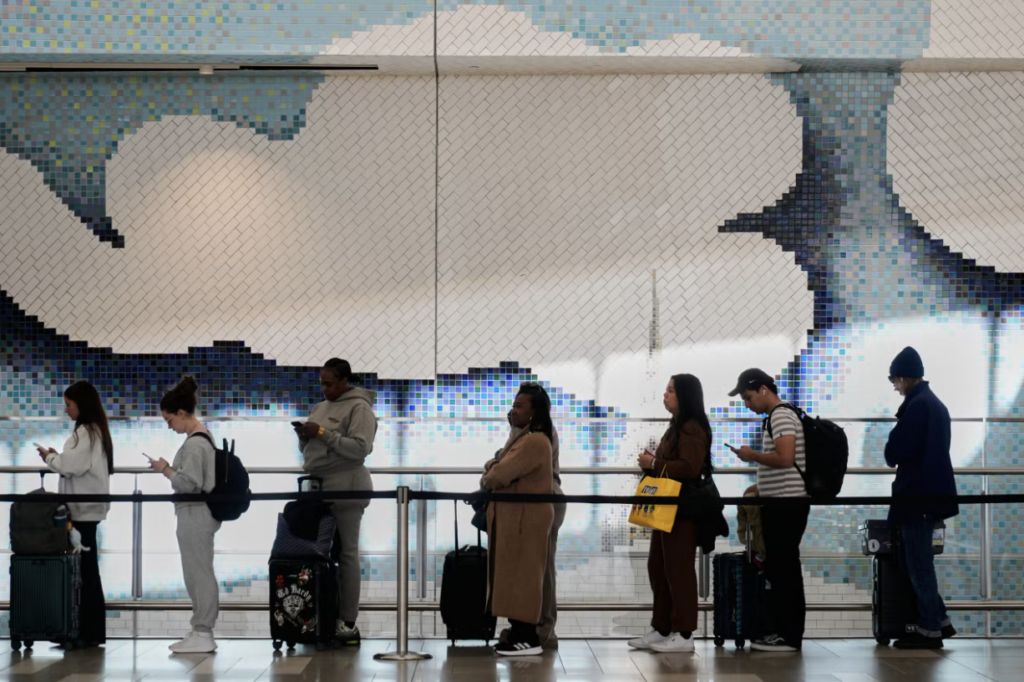
NEW YORK CITY / MANILA — Travelers worldwide are grappling with a new reality of rising fares, increased baggage fees, and fewer flight options as global airlines struggle with extreme volatility in jet fuel prices.
The fuel price surge is a direct consequence of the ongoing conflict in the Middle East and the closure of the Strait of Hormuz, a critical chokepoint for global oil supplies.
Airlines are finding it nearly impossible to predict operational costs as oil prices swing wildly between $95 and $119 per barrel.
- Operating Expenses: Delta Air Lines estimates that fuel price hikes will add $2 billion in operating expenses in the second quarter alone. United Airlines warned that sustained high prices could add $11 billion to its annual costs.
- Global Fuel Index: The average global jet fuel price surged to $209 per barrel last week, more than double the $99 per barrel price recorded in late February 2026.
To offset these massive costs, major carriers are implementing new pricing structures and fee hikes:
- Baggage Fees: Delta, United, American, Southwest, and JetBlue have all raised checked baggage fees.
- Surcharges: Cathay Pacific increased fuel surcharges by 34%, while Air India added up to $280 in fees to certain routes.
- Premium De-bundling: United is now offering “pay for what you want” in premium cabins, making advanced seat selection and refundable tickets optional extras rather than standard perks.
- Basic Economy Restrictions: Starting May 18, American Airlines will require basic economy passengers to pay extra for seat selection, regardless of loyalty status.
Airlines are not just raising prices; they are also cutting flights to avoid “burning cash” on less profitable routes.
- Flight Reductions: United and Delta have cut their planned schedules by 3.5% to 5%.
- Targeted Cuts: Redeye flights and travel on slower days (Tuesdays, Wednesdays, and Saturdays) are the most likely to be suspended.
- Global Impact: While the Middle East has seen the most drastic cuts, schedule reductions are now emerging across Europe, Asia, and North America.
Industry experts suggest that travelers can mitigate these rising costs through careful planning:
- Early Booking: Lock in fares as early as possible to avoid further volatility.
- Fare Tracking: Use alerts and comparison sites to find the best value across multiple airports.
- Travel Light: Stick to carry-on luggage to bypass the newly increased checked bag fees.
- Flexibility: Consider driving for regional trips or being flexible with travel dates to capitalize on lower-demand days.