
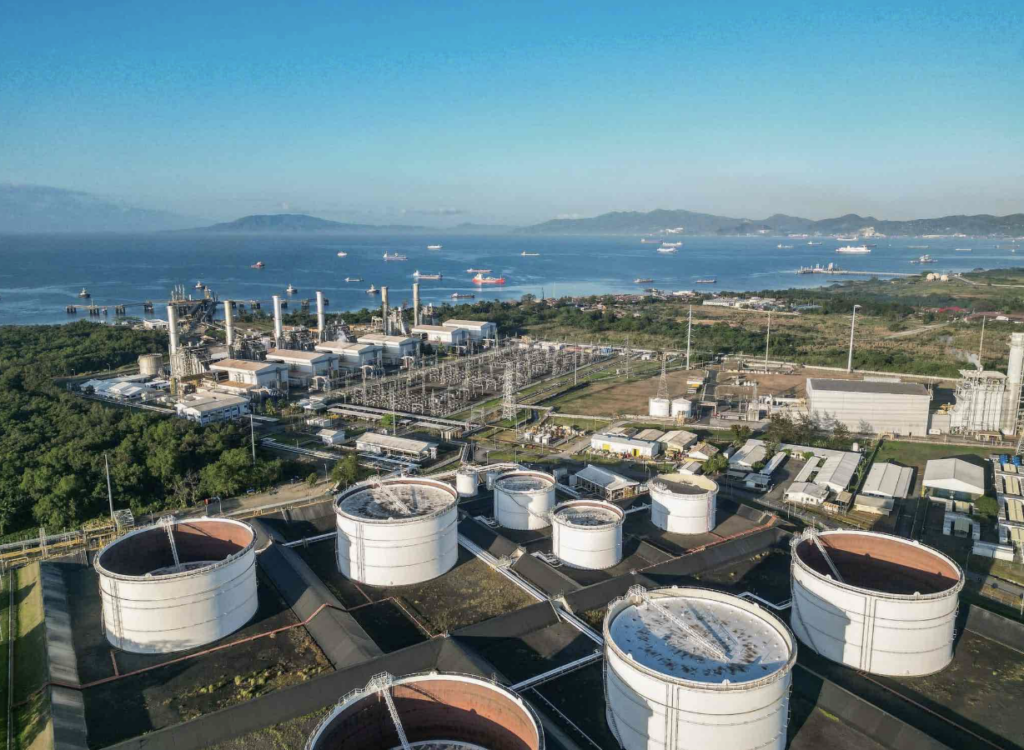
MANILA, Philippines — The Philippines was forced to maximize output from its fossil fuel-based power plants this week after three major electricity producers suffered unexpected outages, triggering a Yellow Alert in the Luzon grid for the first time in 2026.
The National Grid Corp. of the Philippines (NGCP) issued the alert during the late afternoon of Friday, April 17, as operating reserves fell below contingency requirements. While a Yellow Alert does not automatically result in power interruptions (brownouts), it signals that the grid is operating with dangerously thin margins.
The sudden drop in available power was traced to technical failures at several high-capacity facilities:
- Plant Outages: Ilijan Blocks A and B, as well as Excellent Energy Resources Inc. (EERI) Units 1, 2, and 3, all tripped offline. These plants are critical components of the grid operated by major players including San Miguel Global Power, Meralco PowerGen, and Aboitiz Power.
- Visayas Ripple Effect: Because the Visayas grid relies on power imports from Luzon, the supply thinness prompted the NGCP to raise a simultaneous Yellow Alert over the Visayas region to maintain system stability.
To prevent a total system collapse or rotating blackouts, the Department of Energy (DOE) directed natural gas, coal, and oil-fired plants to ramp up their generation:
- Natural Gas Boost: Facilities in Batangas—including the 1,000-MW Sta. Rita, 450-MW San Gabriel, and 97-MW Avion—were pushed to 95 percent of their total capacity. These assets were recently part of a major ₱50-billion management deal involving Prime Infrastructure Capital Inc. and First Gen.
- Secondary Support: Additional power was injected from the Limay plant in Bataan, Therma Mobile in Navotas, and the GNPower Dinginin and Quezon Power facilities.
Despite the volatility in global oil markets caused by tensions in the Middle East, Energy Secretary Sharon Garin assured the public that fuel supplies for power generation remain stable.
- Minimal Diesel Exposure: Only about 3 percent of the country’s total diesel consumption is used for electricity generation, shielding the power sector from the brunt of recent pump price spikes.
- Sufficient Reserves: Garin emphasized that the country has enough domestic fuel stock to weather short-term outages, provided that additional plants do not suffer similar technical failures.
While the grid has since stabilized, the incident highlights the ongoing vulnerability of the Philippine energy infrastructure during the peak summer months. As temperatures continue to rise, the DOE remains on high alert for further supply fluctuations.