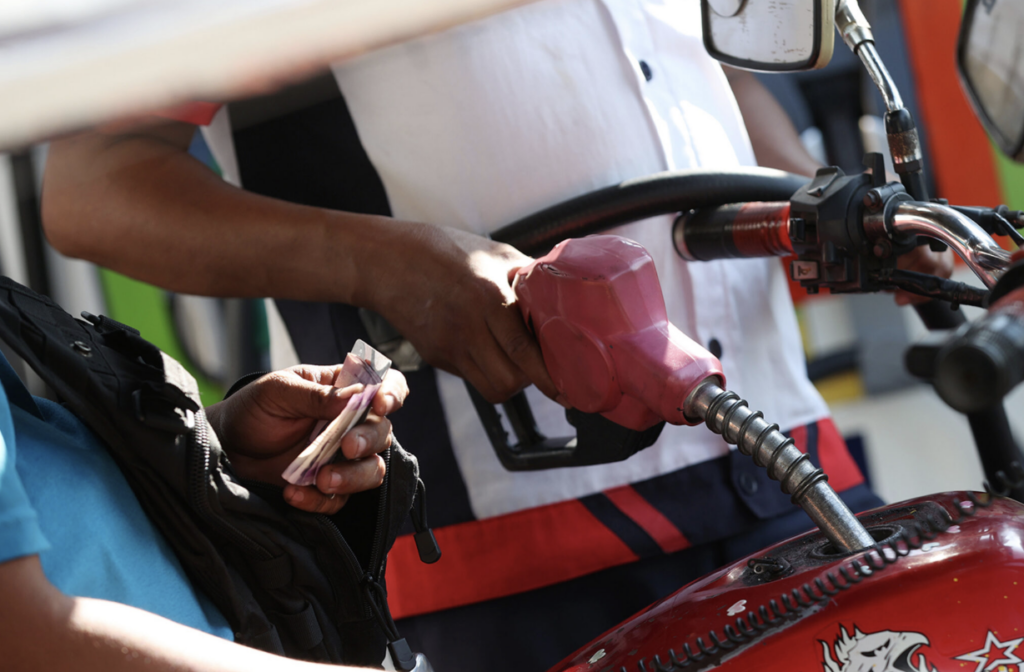
MANILA, Philippines — In a major relief for motorists and the logistics sector, diesel prices are set for a massive reduction of at least P12.94 per liter starting Tuesday, April 28, 2026. This marks the third consecutive week of rollbacks for diesel, which is heavily utilized by public utility vehicles (PUVs) and transport trucks.
Energy Secretary Sharon Garin announced the adjustment during a media briefing on Monday, noting that the plunge reflects shifts in the global oil market following a period of extreme volatility.
Retailers are expected to implement the following changes:
- Diesel: Decrease of at least P12.94 per liter.
- Kerosene: Decrease of at least P15.71 per liter.
- Gasoline: Slight increase of up to P0.53 per liter.
With this latest rollback, diesel prices in Metro Manila and other highly urbanized areas are expected to stabilize within the range of P75.93 to P107.06 per liter. This is a significant drop from the peak of nearly P170 per liter recorded earlier this year due to supply uncertainties stemming from the Middle East conflict.
The Department of Energy (DOE) attributed the substantial rollback to a combination of factors:
- De-escalation Concerns: While geopolitical tensions in the Middle East persist, market fears of a total regional supply shutdown have eased slightly, leading to a correction in global crude benchmarks.
- Inventory Shifts: Increased production and inventory levels in key oil-exporting regions have helped offset the “war premium” that had kept prices at record highs since the start of the year.
- Local Transport Support: The government continues to monitor pump prices closely to ensure that the transport and agriculture sectors are not overburdened, especially following recent initiatives like the toll fee waivers for farm trucks.
Transport groups have welcomed the rollback, noting that the cumulative P20+ per liter reduction over the last three weeks will help stabilize operational costs.
- Commuter Relief: Lower diesel costs reduce the immediate pressure on transport cooperatives to petition for fare hikes.
- Logistics Stability: Delivery and haulage services, which are critical to the supply chain for food and essential goods, are expected to benefit from the improved margins.
Motorists are advised to check local stations for the exact price per liter, as branded and independent retailers may have slight variations in their final pump prices. The DOE maintains its “Oil Price Watch” monitoring system to ensure that the mandated rollbacks are passed on to consumers in a timely and transparent manner.