
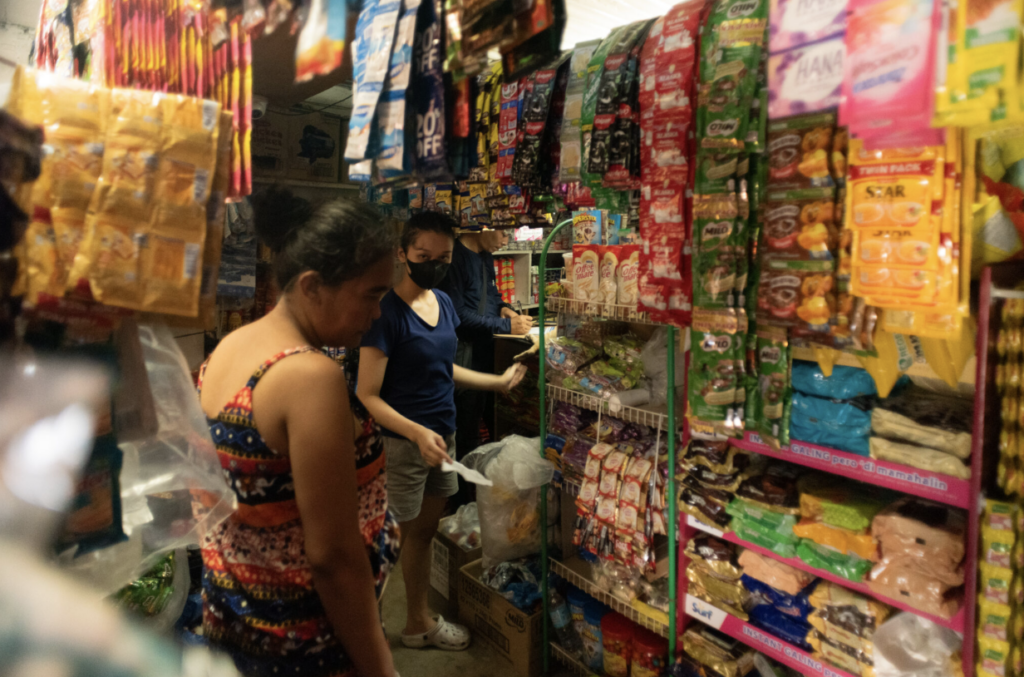
MANILA, Philippines — Small-scale neighborhood retailers, known locally as sari-sari stores, are experiencing a significant surge in sales as Filipino households begin “preemptive stocking” in response to the escalating conflict in the Middle East. According to a market report released on Thursday, April 23, 2026, these micro-retailers have become the primary source for essential goods as consumers seek to avoid the higher costs and logistical challenges of larger supermarkets.
The “panic-buying” lite behavior is being driven by fears of supply chain disruptions and further spikes in the prices of basic commodities.
Market analysts point to several factors that have shifted consumer behavior toward the neighborhood storefront:
- Preemptive Stocking: Households are purchasing larger quantities of “shelf-stable” items such as canned goods, instant noodles, and coffee, fearing that the Middle East crisis will lead to a sustained increase in transportation and manufacturing costs.
- Proximity and “Tingi” Culture: As fuel prices hit record highs, consumers are opting to shop at stores within walking distance. While the “tingi” (small-portioned) system remains popular, there is a noted increase in “bulk-tingi” purchases—where customers buy several small sachets at once to lock in current prices.
- Hyper-Local Reliability: Sari-sari stores are often more flexible with their inventory and hours, making them more accessible than large retail chains during periods of uncertainty.
Data from retail analytics firms show a sharp uptick in the following categories over the past 14 days:
- Canned Protein: Sardines and corned beef sales have risen by 18 percent, as these are seen as essential survival food.
- Rice and Grains: Many store owners report that customers are buying 5kg to 10kg bags rather than the usual 1kg or 2kg portions.
- Liquids and Hydration: Due to the combination of the geopolitical crisis and the extreme summer heat, bottled water and powdered juice sales remain at peak levels.
While sales are up, sari-sari store owners are facing their own set of challenges:
- Inventory Replacement Cost: Store owners are finding that the cost to restock their shelves is rising faster than their profit margins. “What I earned today might not be enough to buy the same amount of stocks tomorrow,” said one retailer in Quezon City.
- Credit Requests: With inflation squeezing disposable income, there has been a rise in “listahan” (buying on credit), as regular customers struggle to keep up with the daily increase in prices.
- Supply Gaps: Some wholesalers have begun limiting the amount of oil and sugar sold to micro-retailers to prevent hoarding, leading to occasional “out-of-stock” signs on neighborhood corners.
Government economists are monitoring this trend closely, as sari-sari stores account for a massive portion of the country’s informal economy.
“The surge in sari-sari store activity is a classic indicator of consumer anxiety,” an economist noted. “While it provides a temporary boost to micro-retailers, the underlying cause—rising costs due to global instability—poses a long-term risk to domestic consumption if the Middle East crisis remains unresolved.”